Revolutionary Research: Apes Reveal Stunning Ability to Imagine and Pretend
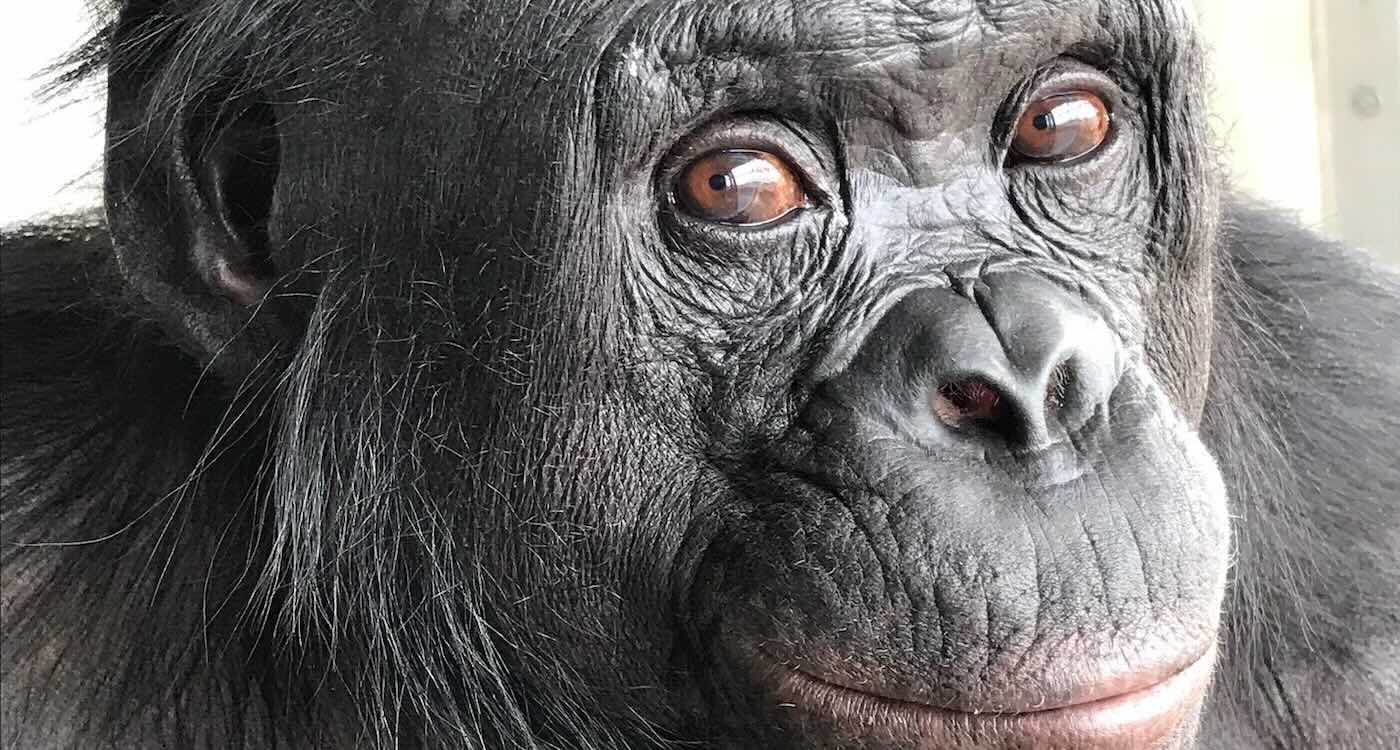
Recent groundbreaking research has unveiled evidence suggesting that apes possess the remarkable capacity to imagine and engage in pretend play, a trait previously thought to be unique to humans. This astonishing study, conducted by scientists at Johns Hopkins University, challenges our long-held beliefs about animal cognition and has profound implications for how we understand intelligence in non-human species.
The Groundbreaking Findings
In a series of meticulously designed experiments reminiscent of a child's tea party, the researchers demonstrated that bonobos, particularly a 43-year-old bonobo named Kanzi, could interact with imaginary scenarios effectively. The experiments showed that Kanzi could differentiate between pretend and real objects, thereby indicating a level of cognitive function that parallels that of human children.
Implications for Understanding Animal Minds
Dr. Christopher Krupenye, a co-author of the study, emphasized the transformative nature of these findings. With the capacity for imagination now recognized in apes, the discussion around what it means to be human takes on new dimensions. He likened this revelation to the insights gained from Jane Goodall's work, which reshaped our understanding of chimpanzees and their tool-making abilities.
A Call for Empathy Towards Our Primate Relatives
The study not only revolutionizes our perception of animal sentience but also invites us to reconsider our responsibilities towards these creatures with complex mental lives. Dr. Krupenye articulated that if imagination has deep roots shared between humans and apes, it necessitates a shift in how we care for and protect these intelligent beings from extinction.
Looking Ahead
Future research endeavors are poised to explore other facets of imagination in apes and their potential to engage in pretend play. As scientists delve deeper into the cognitive capacities of various species, one thing is clear: the intricate worlds of imagination and thought may extend far beyond humanity, enriching our understanding of the animal kingdom.

