Revolutionary Study Reveals Long-Term Benefits of Pergolide for Aging Horses
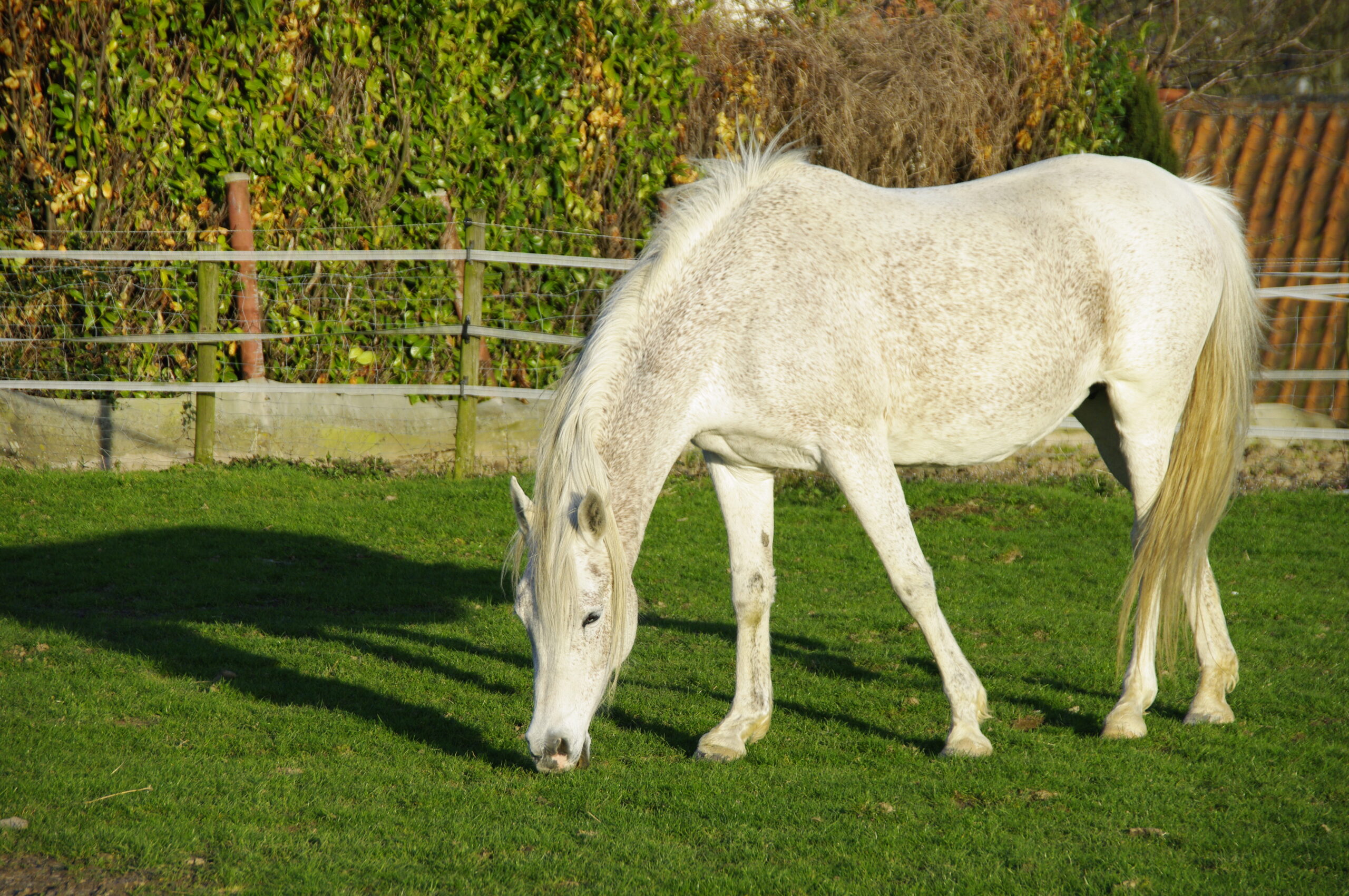
A groundbreaking study from Michigan State University has provided promising insights into the long-term management of pituitary pars intermedia dysfunction (PPID), a common endocrine disorder affecting aging horses. Approved by the FDA in 2011, the drug pergolide has been shown to significantly improve the quality of life for these animals.
Challenges of PPID and the Role of Pergolide
PPID, also known as Cushing’s disease, affects older horses due to hormonal imbalances from an overactive pituitary gland. Symptoms can include a slow-to-shed coat and muscle wasting. The study, which followed 30 horses over 15 years, aimed to investigate both the efficacy and safety of pergolide in this context.
Dr. Hal Schott, who led the research, indicated that while some horses experienced challenges related to their age, 96 percent of owners reported improvements in their horse's health due to pergolide treatment. This was especially important as the average age of the horses at the study's inception ranged from 17 to 29 years.
Positive Outcomes and Owner Satisfaction
The benefits of pergolide have been particularly noteworthy. By the halfway point of the study, nearly 60 percent of the horses had normal endocrine test results. Moreover, 57 percent of the horses showed improvements in shedding and muscle condition, showcasing the drug's potential effectiveness.
What stands out is the lack of reported adverse effects from pergolide among the horses, which is a significant point of reassurance for horse owners. In interviews, a remarkable 87 percent of the participating owners expressed a willingness to use pergolide again for other horses diagnosed with PPID, underscoring the drug's acceptance and perceived benefits.
The Future of Equine Care
This extensive research not only highlights the effectiveness of pergolide but also suggests that it does not lead to resistance over time, as noted by the comparative stability in dosing after ten years. According to Dr. Schott, the findings advocate for pergolide as an invaluable component in managing PPID and enhancing the comfort of aging horses.
Overall, the positive outcomes from this 15-year-long study signify important strides in veterinary medicine, potentially offering peace of mind to horse owners while improving the welfare of their beloved animals. As the equestrian community reflects on these findings, one thing is clear: advancements such as this are crucial in enhancing the lives of our aging equine companions.

