Revolutionary Study Shows Life-Changing Benefits of Pergolide for Aging Horses
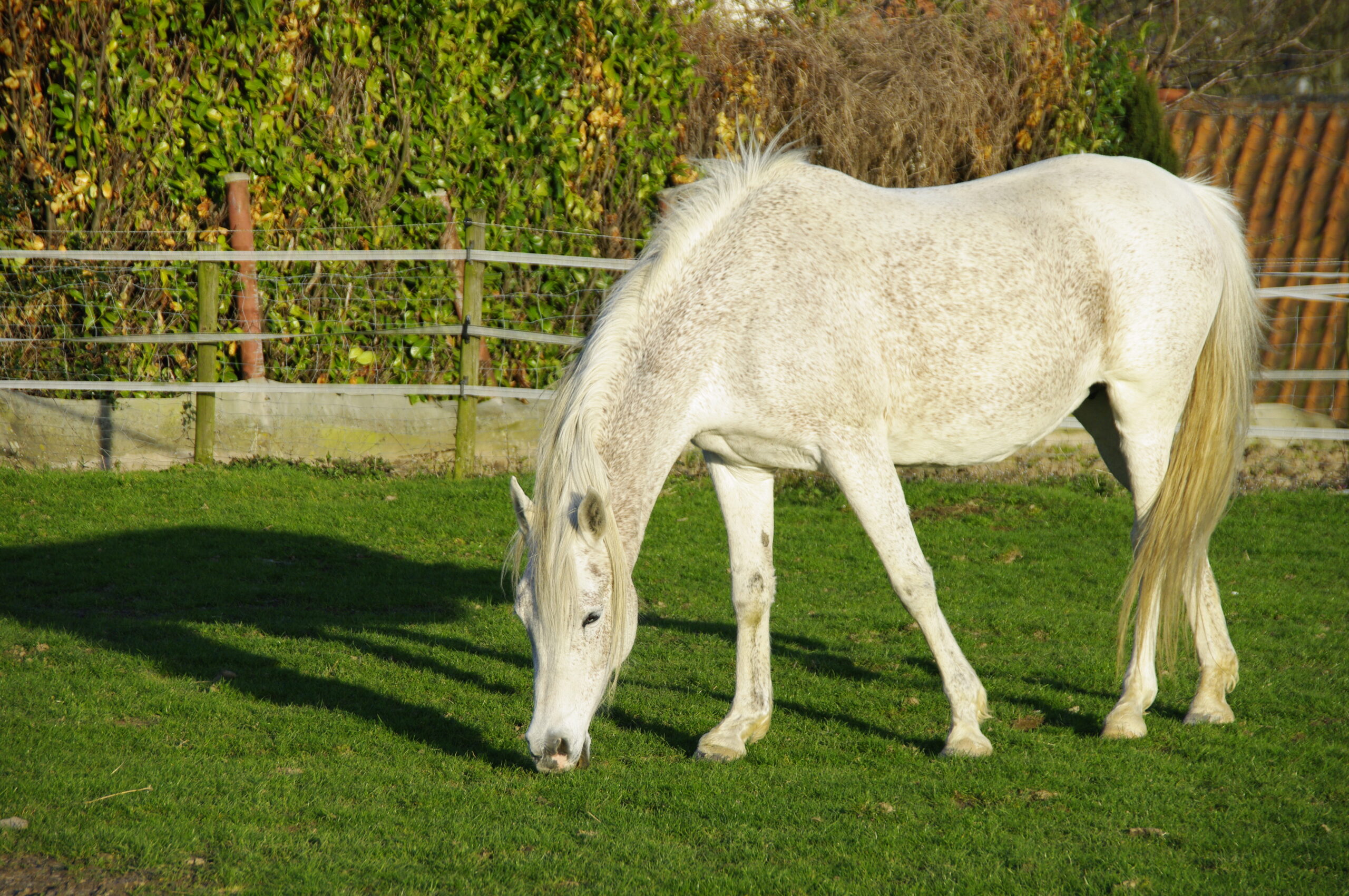
A recent long-term study conducted by Michigan State University has unveiled promising insights into the management of pituitary pars intermedia dysfunction (PPID) in aging horses, a condition that has long challenged animal health care practitioners and horse owners alike. This 15-year research project highlights the significant benefits of the drug pergolide, which was granted FDA approval for treating PPID in 2011.
Study Overview and Methodology
The study tracked 30 horses diagnosed with PPID, commonly known as Cushing’s disease, over a decade and a half. Researchers aimed to monitor both the drug's efficacy and potential adverse effects. Under the guidance of Dr. Hal Schott, DVM, PhD, the study involved comprehensive evaluations, including periodic health check-ups and blood tests, while owners provided feedback on their horses’ health status every three months.
Positive Outcomes for Equine Health
One of the most striking results of the study was the improved quality of life experienced by the horses. By the five-year mark, all participating owners reported noteworthy enhancements in their horses’ clinical symptoms, with nearly 60% of the horses achieving normal endocrine test results. These findings suggest that pergolide not only stabilized the condition in many horses but also significantly improved their overall well-being.
A Lasting Impact
Dr. Schott likened PPID to Parkinson's disease in humans, emphasizing that while there is no cure, the research demonstrates that pergolide can effectively slow the disease’s progression. Interestingly, the majority of the horses did not develop resistance to the drug over time, allowing for sustained treatment effectiveness without increasing dosages, which was a common concern among veterinarians.
Owner Satisfaction and Future Implications
Feedback from horse owners further confirmed the positive impact of the treatment; 96% noted improvements in their horses’ quality of life, and 87% expressed willingness to pursue similar treatment for future horses diagnosed with PPID. These testimonials serve as an encouraging reminder of the vital role veterinary medicine plays in enhancing the lives of aging equines.
This groundbreaking study marks a pivotal moment in equine health management, providing hope and reassurance to horse owners grappling with the challenges posed by PPID. As more insights are gained, it underscores the importance of ongoing research and the need for effective treatments that prioritize the comfort and welfare of aging horses.

