Revolutionary Study Shows Positive Impact of Pergolide on Aging Horses
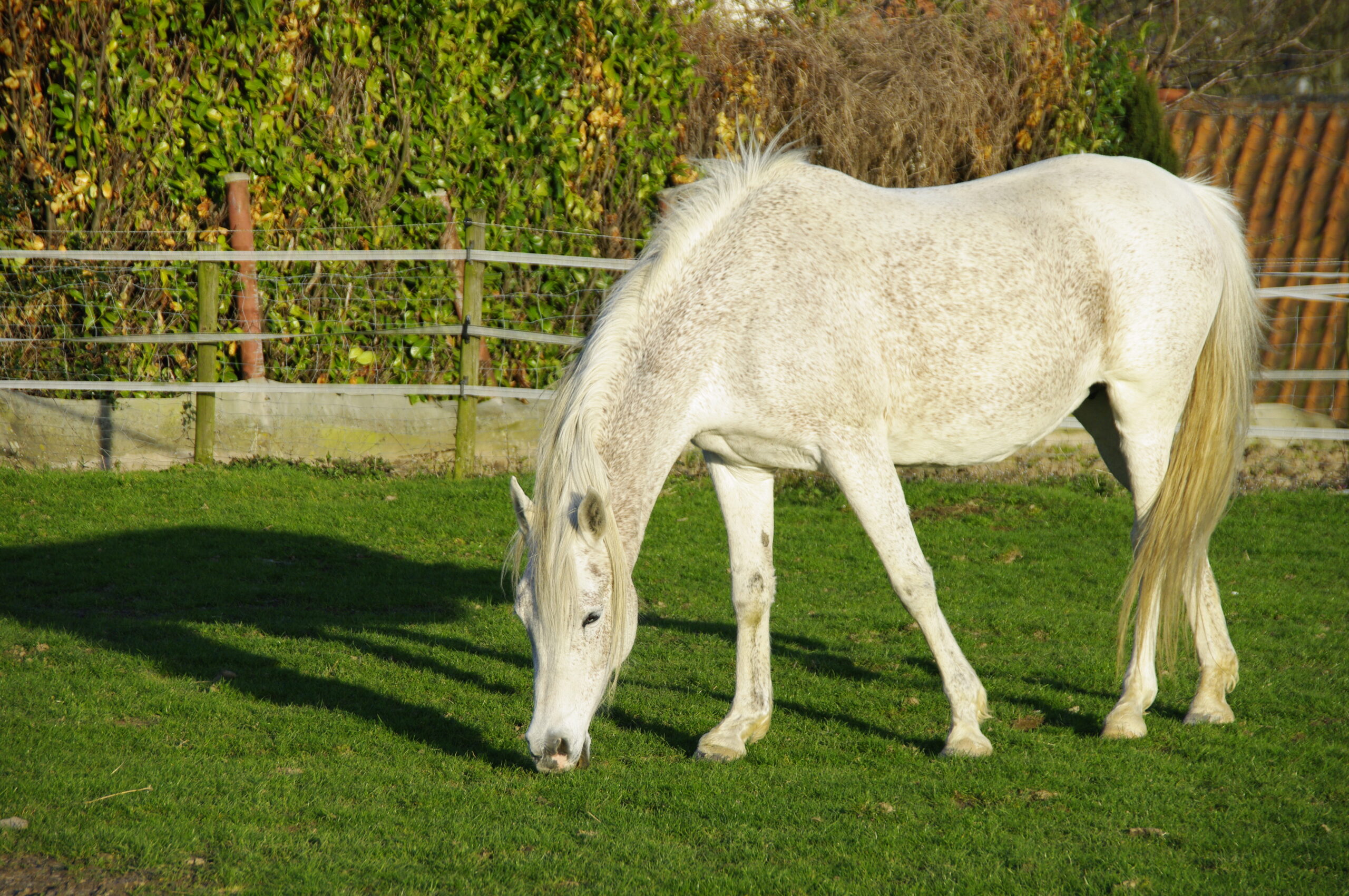
A transformative long-term study conducted by Michigan State University sheds light on the beneficial effects of the drug pergolide in managing pituitary pars intermedia dysfunction (PPID) in aging horses. Since its approval by the Food and Drug Administration in 2011 for treating PPID, the insights from this study demonstrate a promising outlook for equine health care.
Insights from the Study
The 15-year study focused on the long-term health of 30 horses diagnosed with PPID, a common endocrine disorder similar to Parkinson's disease in humans. Horsemanship experts led by Dr. Hal Schott found that, while the progression of the disease could not be entirely halted, the quality of life significantly improved for a majority of the horses involved in the trial.
Positive Outcomes
Remarkably, by the five-year mark, all horse owners reported consistent improvement in their animals' clinical signs, with nearly 60 percent achieving normal endocrine test results. The study revealed that while some horses faced challenges with muscle wasting and shedding, 57 percent showed improvement in these areas, pointing to the effectiveness of pergolide in managing symptoms.
Owner Insights and Future Implications
According to interviews conducted during the study, an impressive 96 percent of horse owners felt that pergolide enhanced their horse's quality of life. Furthermore, 87 percent indicated they would choose to treat another horse with PPID with the same medication, regardless of cost. This high level of satisfaction among horse owners underscores the drug's pivotal role in equine medical care.
Notably, the study showed no adverse effects associated with pergolide, further reinforcing its status as a reliable medication for aging horses. With no indication that the horses developed resistance to the drug over time, the findings suggest that pergolide can successfully maintain its efficacy, making it a viable long-term treatment option.
This groundbreaking research not only supports the use of pergolide but also signals a shift towards increased optimism in treating and managing chronic conditions in equine patients. As PPID continues to be a pressing health issue in older horses, studies like this illuminate pathways to improved care, prolonging the well-being of these majestic animals.

