Revolutionary Study Shows Promising Results for Horses with Cushing’s Disease
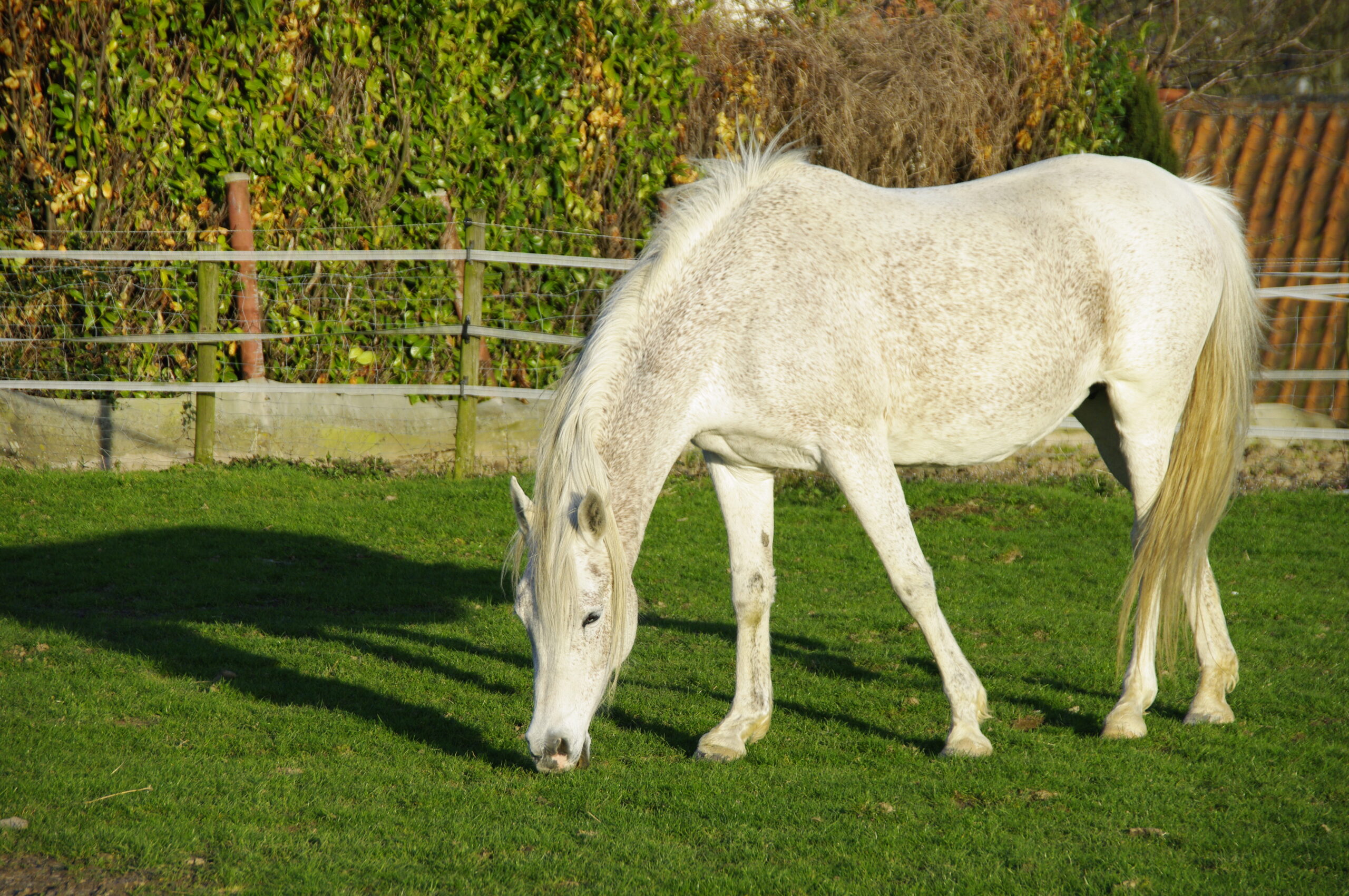
A recent study from Michigan State University has unveiled groundbreaking insights into the management of pituitary pars intermedia dysfunction (PPID), commonly known as Cushing's disease, in aging horses. The long-term clinical trial, which spanned over 15 years, explored the effects of pergolide—a drug that has been FDA-approved for treating PPID in horses since 2011.
Positive Outcomes for Older Horses
The study included 30 horses diagnosed with PPID, aged between 17 to 29 years, and aimed to document both the clinical effects and any adverse reactions to the medication. According to Dr. Hal Schott, who oversees the research, one of the most encouraging findings was that by 2016, five years into the study, all owners reported noticeable improvements in their horses' clinical signs. Remarkably, nearly 60 percent of these horses had normal endocrine test results.
Long-term Efficacy and Health Improvement
One key takeaway from the research was the continued effectiveness of pergolide over time without the need for increased dosages, contradicting common assumptions regarding medication resistance. Schott noted that half of the surviving horses remained on the same treatment dosage even a decade into the study. Moreover, an impressive 96 percent of horse owners affirmed that pergolide had significantly enhanced their horses' quality of life—a testament to the drug's reliability and effectiveness in managing this chronic condition.
Concluding Perspectives on Horse Wellness
While not all horses showed total resolution of symptoms, the study concluded that a majority benefited from the treatment, making pergolide a viable option for enhancing comfort in aging equines. As Dr. Schott articulated, "Overall, I think this study confirms that pergolide is a great drug for keeping these horses comfortable as they age." This pivotal research thus not only reassures horse owners about the treatment options available but also highlights the importance of ongoing veterinary studies in enhancing the well-being of our aging companions.

