Revolutionary Treatment Using Tetris Shows Promise in Tackling Trauma
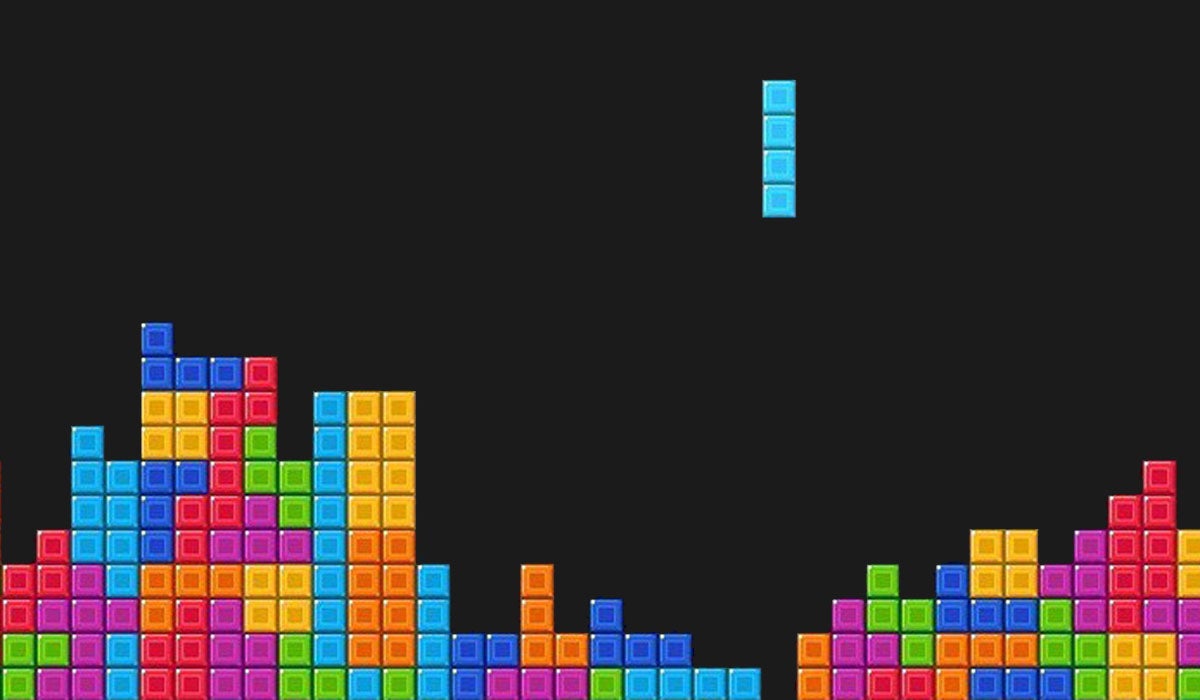
A groundbreaking study has revealed a novel approach to mitigating the effects of traumatic memories by utilizing the classic video game Tetris. Researchers have discovered that health workers who engaged with the game as part of their treatment reported a significant reduction in flashbacks associated with traumatic experiences. This innovative method, known as imagery competing task intervention (ICTI), offers hope for those suffering from the lasting impacts of trauma.
The Study and Its Findings
In a collaborative study involving researchers from the UK and Sweden, 99 NHS staff members exposed to traumatic events during the Covid-19 pandemic participated in the trial. Forty of these participants were given the ICTI treatment, which entailed playing a slow version of Tetris while briefly recalling a traumatic memory. The results were striking: those who underwent ICTI experienced ten times fewer flashbacks compared to other groups within a month. Remarkably, six months later, around 70 percent of these individuals reported no intrusive memories at all.
The Impact of ICTI
Emily Holmes, a professor of psychology at Uppsala University who led the study, highlighted the efficacy of ICTI in weakening the vividness of traumatic memories. By engaging the brain's visuospatial areas through visualizing Tetris blocks, the method allows individuals to diminish the intrusive aspects of their memories, leading to improved mental health outcomes. This simple yet effective intervention could provide a substantial tool in addressing symptoms of post-traumatic stress disorder (PTSD).
Future Implications and Broader Applications
The researchers are optimistic about expanding the scope of their study, aiming to apply ICTI to a more diverse population. Charlotte Summers from the University of Cambridge spoke to the significance of developing scalable interventions for healthcare professionals, highlighting the ongoing mental strain endured by these workers. Tayla McCloud from Wellcome emphasized the potential for this accessible intervention to transcend language barriers, making it adaptable for wider use in various contexts.
This research represents a significant step forward in mental health treatment, merging the worlds of gaming and psychological therapy to create a unique approach to healing. As efforts continue to refine and expand this treatment, it is a potent reminder that innovative solutions can emerge from unexpected sources, offering hope to many in need.

