Revolutionizing Agriculture: How Dragon Fruit Farming is Transforming Lives in India
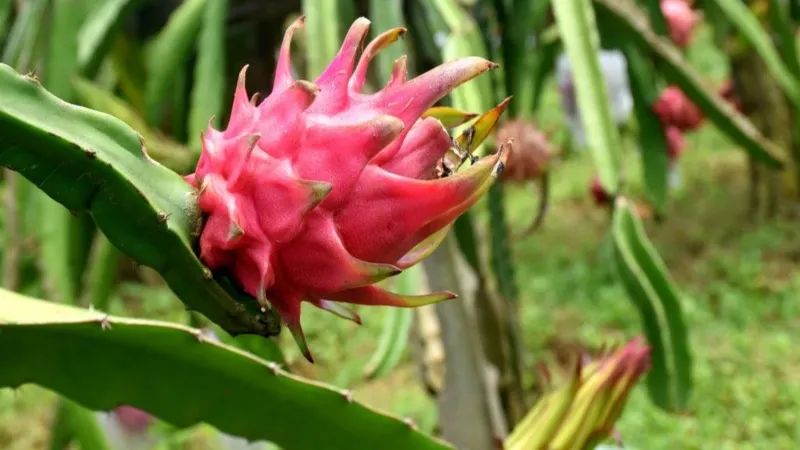
In a significant departure from traditional crops, farmers in India are now turning to dragon fruit cultivation, marking a positive shift in agricultural practices. One prominent example is Arun Srinivas, who made a bold decision in 2020 to sell his financial assets and invest entirely in his family's farm in Karnataka to pursue this new venture.
Turning Challenges into Opportunities
Srinivas's move was motivated by both financial aspirations and a desire for mental fulfillment. After thorough research and consultation with fellow farmers, he decided that dragon fruit would be the ideal crop, particularly due to its lower water requirements and reduced disease risks compared to other fruits. His dedication has resulted in the cultivation of dragon fruit across 11 acres of land, generating an impressive yield of 220 tonnes annually.
The Surge of Dragon Fruit in India
The rise of dragon fruit farming in India is no coincidence. Since its introduction in 2009 and subsequent official endorsement by Prime Minister Modi in 2020, the industry has gained momentum. Farmers across the country have embraced this crop, recognizing its potential for consistent income due to its long harvest season.
Dr. G. Karunakaran, from the Indian Institute of Horticultural Research, notes that dragon fruit offers a steady income stream, with farmers able to produce substantial amounts even with minimal land. This transformation embodies the spirit of innovation that is now sweeping across the Indian agricultural landscape.
Innovative Solutions for a Bright Future
Innovation extends beyond the crop itself. Farmers like Cheradeep Ma have adapted their methods for safe night pollination, while Dr. Sunila Kumari is on a quest to identify superior dragon fruit varieties that respond well to the Indian climate. Her company, Dragonflora Farms, emphasizes the need for modernization in farming techniques, storage, and marketing strategies to compete on a global scale.
Kumari highlights the critical crossroads at which Indian agriculture stands, urging farmers to view dragon fruit as a high-value horticultural asset, rather than merely a resilient cactus. With the right investments in infrastructure and a shift in mindset, India aims to position itself as a key player in the global dragon fruit market.
The success of dragon fruit farming is not just a story of improved yields; it represents a transformative movement within India’s agricultural system, empowering farmers and encouraging sustainable practices for the future.

