Revolutionizing Urban Living: The Exciting Future of Our Cities
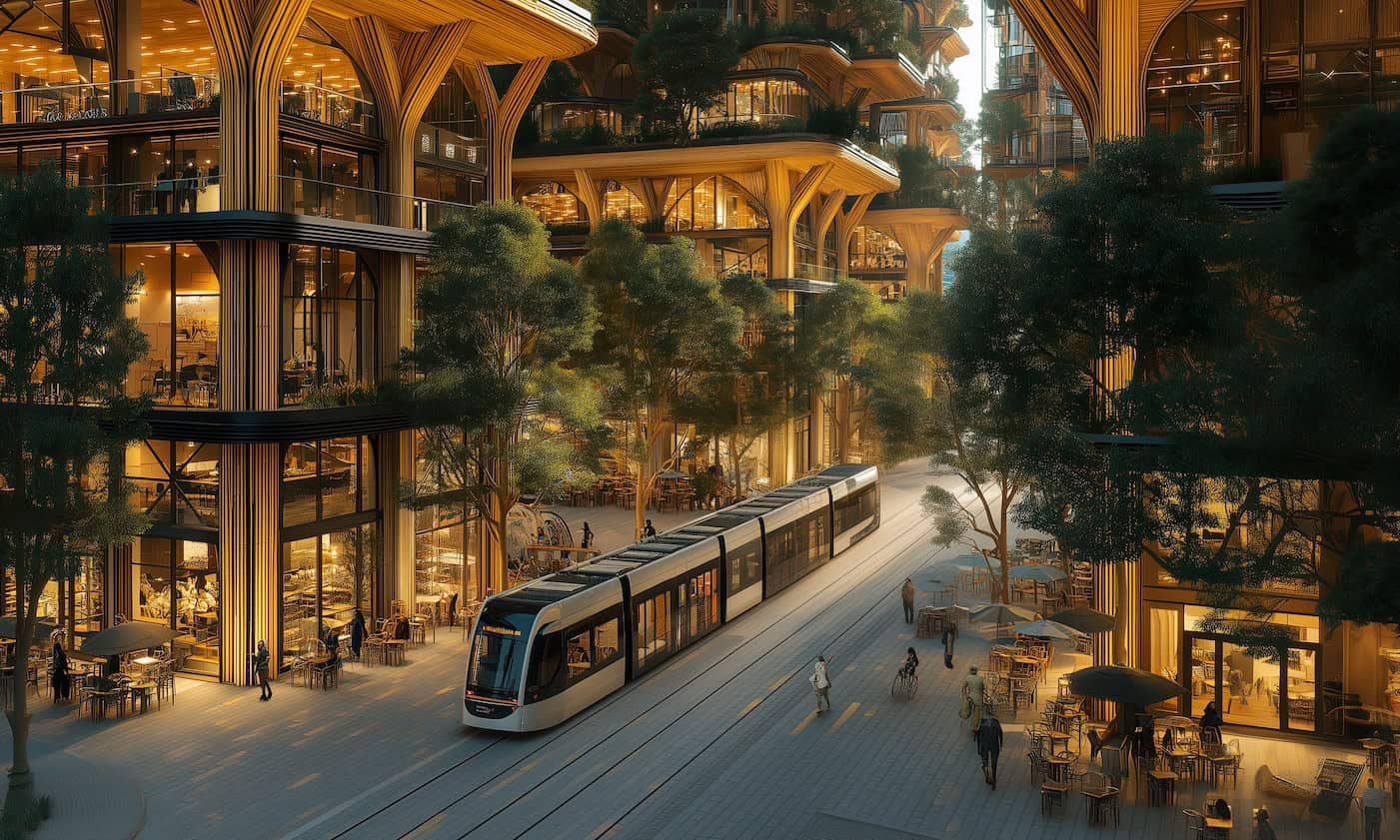
As cities around the globe evolve to meet the challenges of sustainability and livability, innovative urban designs are emerging that redefine how we interact with our environments. One such impressive initiative is the development of Forest City 1, a visionary project that aims to create a sustainable urban ecosystem catering to the needs of its residents.
A Glimpse into Forest City 1
Envisioned for 2037, Forest City 1 promises a paradigm shift in urban living, featuring wooden towers adorned with plants and solar technology, robust walkways, and an efficient autonomous transportation network. With a design focused on blending nature with urban infrastructure, this city aims to be a model for future metropolitan areas.
This ambitious project, spearheaded by the non-partisan political movement Looking for Growth (LFG), promotes sustainability through innovative practices such as integrated solar energy systems, water recycling, and green spaces. Notably, 12,000 acres of the city will be dedicated to forests, which is expected to significantly enhance biodiversity in the region.
Building for Affordability and Accessibility
Forest City 1 employs a Community Land Trust model to ensure that housing remains affordable. This framework separates land ownership from property ownership, giving residents a stake in the management of their community, which has already resulted in lowered housing prices nationally.
With 350,000 homes planned, the project addresses the pressing housing crisis faced by many urban areas, particularly for young professionals who have long struggled with affordability. The vision is not merely to create a place to live but to foster a vibrant community where residents feel a sense of belonging.
Transforming Existing Cities
While Forest City 1 represents a bold new beginning, other cities are already adopting innovative strategies to enhance urban living. Paris, for example, has been actively pedestrianizing streets and creating 'school streets'—areas that prioritize children and pedestrians over vehicles. This initiative has dramatically reduced air pollution and increased community interaction.
As urban planners worldwide take inspiration from such movements, cities are transitioning to greener environments that emphasize the quality of life for their inhabitants. With initiatives ranging from green parks that absorb stormwater in Rotterdam to electrified public transport systems, cities are rapidly adapting to climate realities and residents' needs.
The Future is Now
The future of urban development is not merely a fantastical dream but a tangible reality taking shape in cities across the globe. With increasing interest and investment in projects like Forest City 1, and the ongoing transformation of existing urban landscapes, we are witnessing a new era of urban living marked by sustainability, accessibility, and technological integration.
As these changes unfold, the focus will remain on creating environments where inhabitants can thrive in harmony with nature and one another. The ambition is clear: to build cities that are not just places to live but vibrant communities that support diverse lifestyles and foster connection.

