Shining a Light on a Greener Future: NASA's New Mapping of Diminished Light Pollution
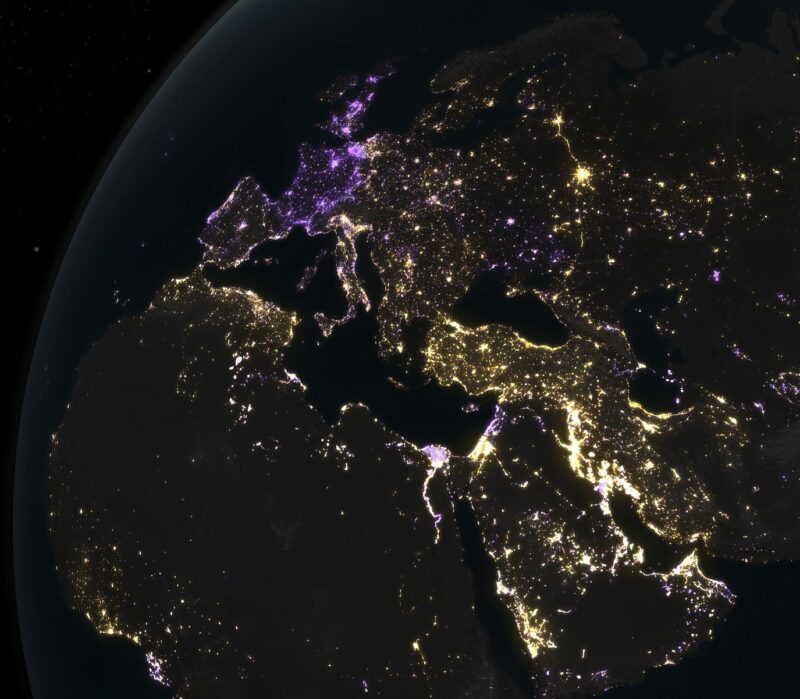
In an inspiring development for environmental awareness, NASA has recently released new global maps indicating a significant reduction in light pollution in various regions, a result of proactive energy conservation measures and the adoption of LED technology. This update is part of the Black Marble project, which uses satellite imagery to track changes in Earth’s illumination at night.
Illuminating Progress through Satellite Technology
The data reveals a more hopeful narrative amid the global energy landscape. Notable areas, especially in northwestern Europe, have seen a remarkable dimming effect in nighttime lighting—a sign of effective energy management. France, for example, has experienced a 33% reduction in light pollution, while the U.K. and the Netherlands have seen decreases of 22% and 21%, respectively. NASA Earth Observatory highlights how such reductions correlate with the widespread implementation of energy-efficient lighting solutions and sustainable practices.
A Unique Opportunity for Change
This positive trend shows that not only is light pollution reversible, but individuals can also contribute to this cause at home. Practical measures include limiting outdoor lighting, opting for downward-focused lighting, using warm-colored LEDs, and installing motion detectors to ensure lights operate only when necessary. These small changes can collectively lead to substantial improvements in local and global light pollution levels.
Conclusion
The findings from NASA bring hopeful news in the fight against light pollution and illustrate a path toward a more sustainable future. As awareness grows and actions are taken collectively, we have the opportunity to illuminate our skies responsibly while maintaining the beauty of the nocturnal world. This initiative underscores the importance of individual action in addressing global challenges, reminding us that every effort counts in creating a brighter, yet darker, future for our planet.

