Super Bowl LX: A Game Changer for Sustainability Efforts
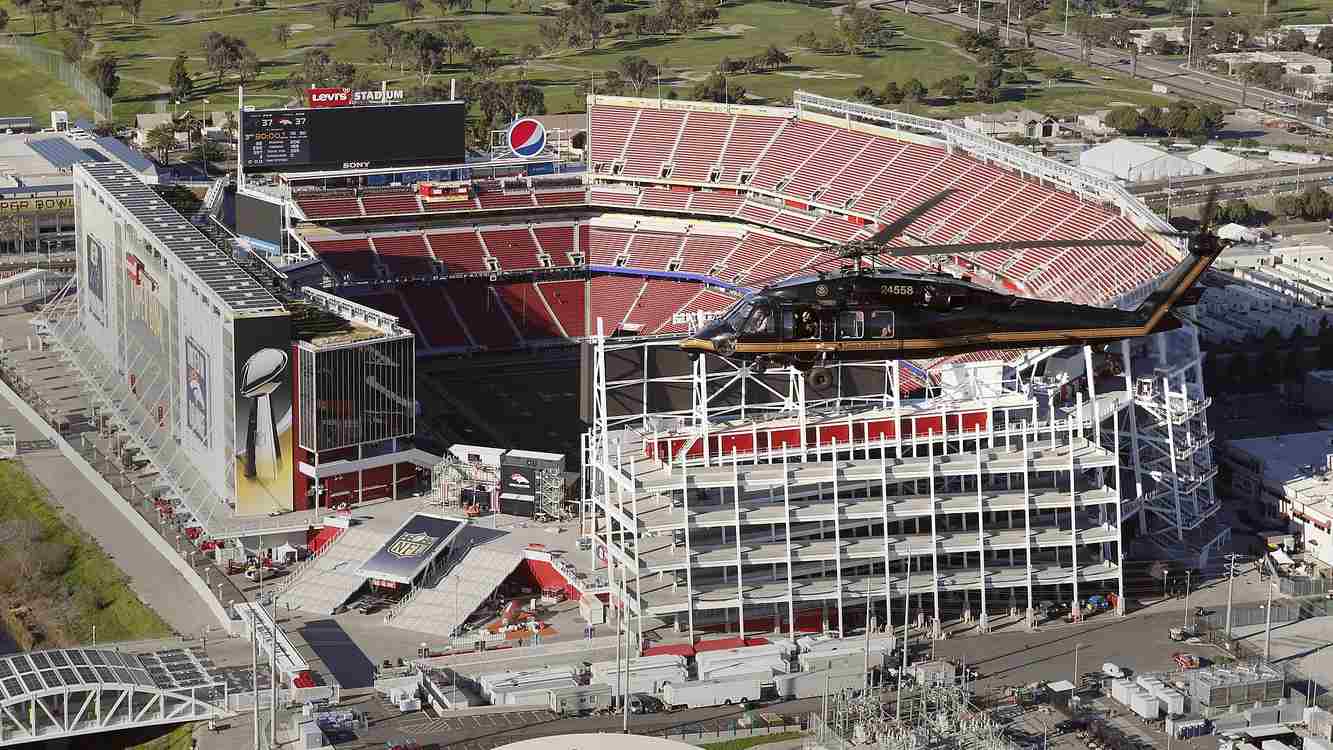
This year's Super Bowl LX, while celebrated for its entertainment, also marked a significant achievement in sustainability and responsible event management. The NFL, in collaboration with ENGIE Impact, showcased how large-scale events can minimize their environmental footprint while engaging with the community.
Innovative Waste Management Strategies
During the Super Bowl, a commitment to recycling and reducing carbon emissions was evident. ENGIE Impact partnered with national and local organizations to ensure that all stadium waste was recycled and that the event operated on green, renewable energy. Previous Super Bowl events have shown room for improvement, and this year, a remarkable five-fold increase in materials recovered was noted, totaling 250 tons.
Carbon-Neutral Initiatives
In an impressive move, the NFL funded the purchase of offsets for approximately 3,000 additional tons of CO2, leading to a carbon-neutral event. Although exact figures for this year are pending, early signs indicate that the sustainability efforts were successful, particularly with the implementation of a three-color waste bin system at the stadium.
Community Benefits through Material Reuse
One of the standout initiatives led by ENGIE was the collection and redistribution of materials post-event. Items such as fencing mesh and leftover carpets from tailgate parties were donated to local schools and parks, emphasizing a commitment to supporting community needs beyond just the event itself. Ryan Schlar, Director of Sustainable Mobile Operations at ENGIE, articulated the focus on prioritizing organizations that offer communal benefits, demonstrating a strategic approach to sustainability.
A Solar-Powered Future
Levi’s Stadium, the venue for this year's event, is predominantly powered by solar energy, with additional efforts to ensure that climate control systems operated on biodiesel, significantly reducing emissions. Looking ahead, the partnership between the NFL and ENGIE aims to continue raising the bar for sustainability, as they adapt and commit to the unique challenges of each event.
The Super Bowl LX serves as a model for how large-scale events can lead the charge toward a more sustainable future, proving that with innovative strategies and community engagement, it is possible to host gatherings that not only entertain but also inspire positive change.

