Surprising Findings: Older Male Whales Lead the Way in Reproduction
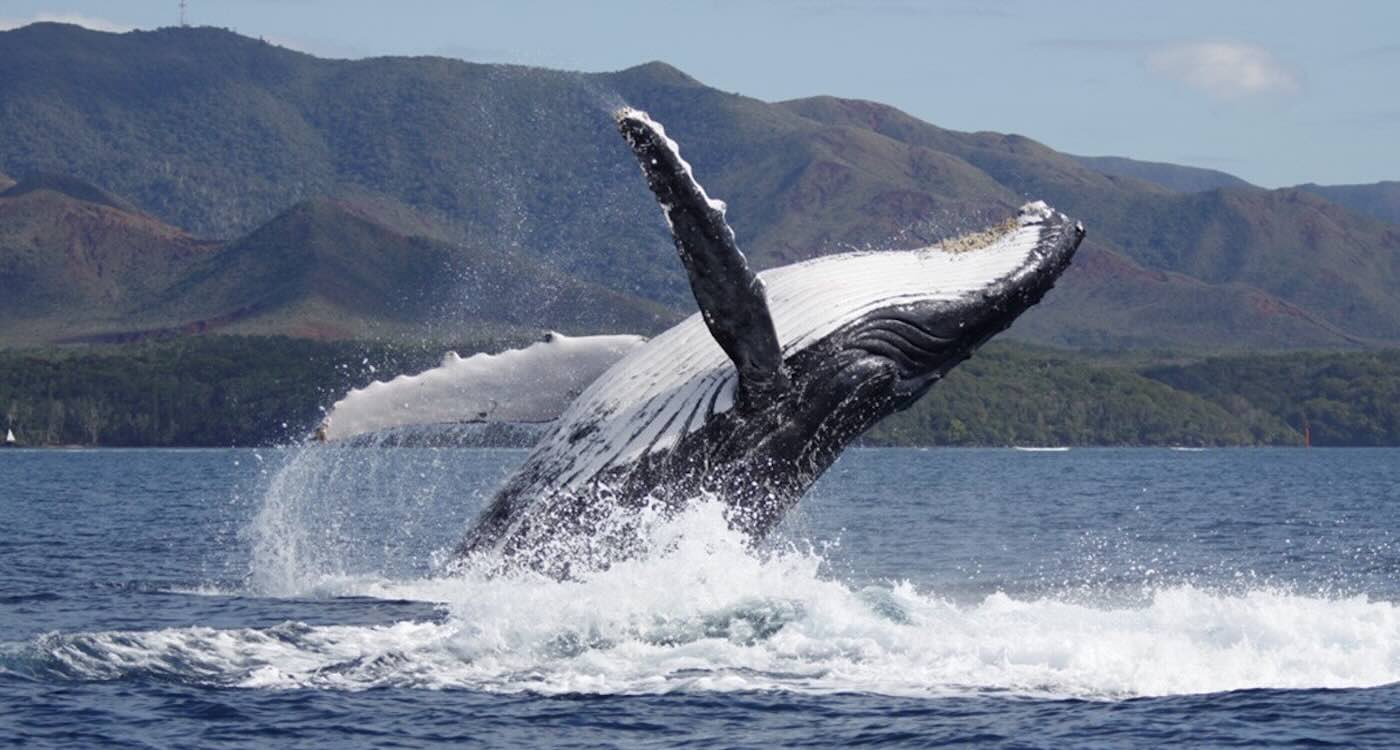
A recent study reveals that older male humpback whales are outshining their younger counterparts when it comes to mating, thanks to their superior singing abilities. This groundbreaking research conducted by the Sea Mammal Research Unit at the University of St. Andrews highlights the evolving dynamics of whale reproduction as populations recover from the historically devastating impacts of whaling.
The Advantage of Experience
The resurgence of humpback whale populations after centuries of hunting presents a fascinating shift in reproductive success. Older males, endowed with years of experience, are increasingly capable of siring offspring—an advantage believed to stem from their refined vocalizations and competitive strategies. The researchers suggest that as female whales become more selective following the population rebound, the vocal prowess of older males plays a critical role in securing mating opportunities.
Decades of Recovery and Research
The study, published in the journal Current Biology, draws on an impressive two decades of data from humpback whale breeding grounds in New Caledonia. In the early recovery years, young males dominated reproduction. However, as the overall whale community flourished, the balance shifted in favor of older males, who became the preferred partners for females.
Insights Into Whale Behavior
Long-term monitoring efforts conducted by the NGO Opération Cétacés have also provided new insights into whale behavior and reproduction. Using innovative techniques, including genetic analyses and an ‘epigenetic molecular clock’ to estimate individual ages, researchers have gleaned valuable information about paternity and mating dynamics that were previously unknown.
The Power of Song
Humpback whales are renowned for their intricate songs, often echoing across expansive breeding grounds. This latest study underscores how these elaborate vocal displays are not just for communication; they may significantly influence reproductive success as well. As populations grow, the sounds of older males have doubled in number, indicating a potential correlation with the wealth of resources available in their habitats.
Looking Forward
Dr. Ellen Garland, a senior author of the study, notes the importance of understanding whale behavior as populations continue to rebound. The findings reveal that the impacts of whaling extend beyond mere numbers, shaping the competition and social structures within whale communities. With new analytical tools and ongoing recovery, researchers are optimistic about uncovering further secrets of these majestic creatures.
This study not only sheds light on the resurgence of humpback whales but also signals a hopeful turn in conservation efforts. As we learn more about their behaviors and interactions, it becomes evident that recovery efforts are bearing fruit, making it an exciting time for marine biology and conservation.

