Surprising Growth in Multifamily Housing: A Beacon of Hope in Construction Trends
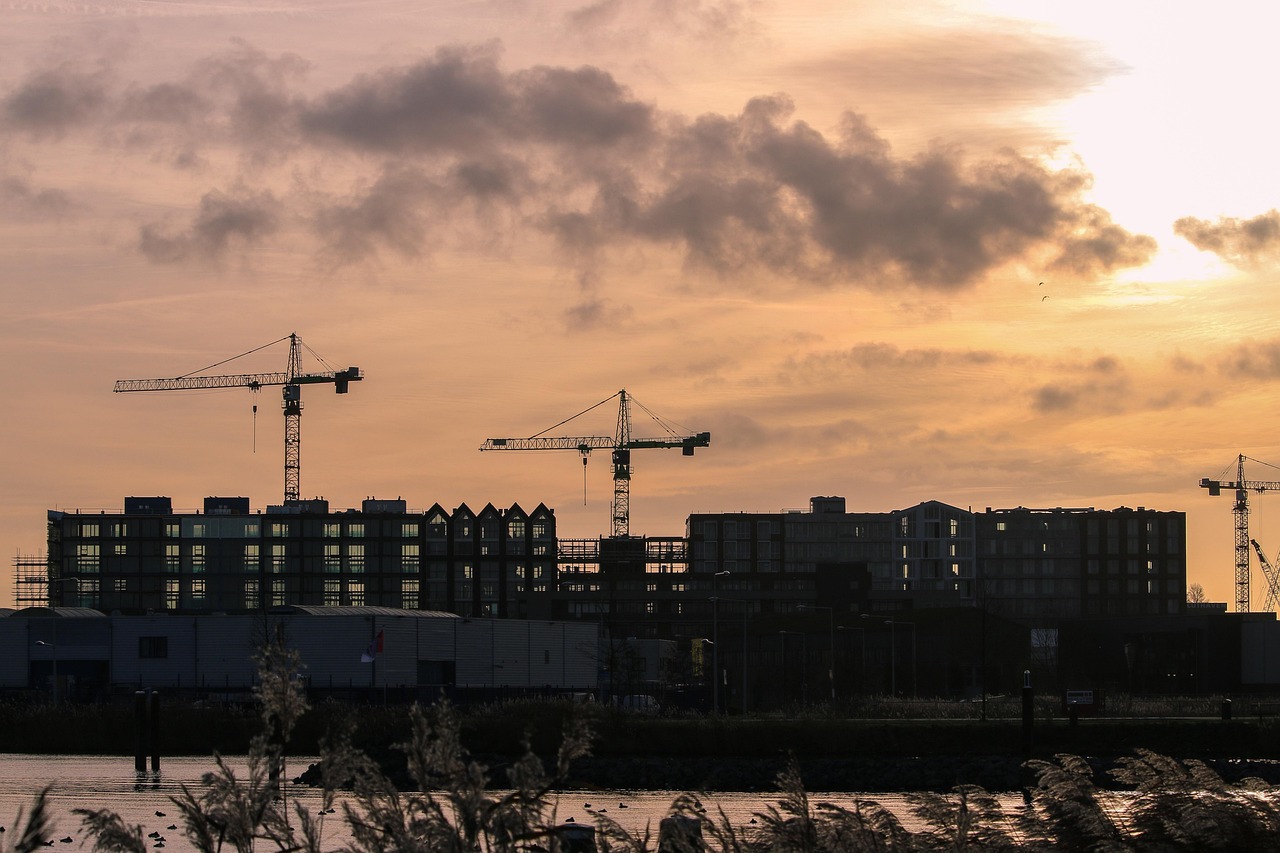
Despite a notable downturn in the construction of single-family homes, the multifamily sector is witnessing a remarkable increase. In 2025, the construction of multiple-dwelling units (MDUs) rose by almost 10 percent, highlighting a shift in housing dynamics that could benefit communities and broadband providers alike.
Positive Trends Amidst Challenges
The construction landscape faced significant headwinds in 2025, with the overall number of new homes constructed decreasing sharply. However, MDUs have emerged as a resilient segment of the housing market, proving to be more cost-effective and better aligned with the needs of urban populations seeking affordable living options. Approximately 536,000 MDU units were constructed in just one year, showcasing a burgeoning interest in communal living environments.
Reshaping Urban Living
This trend towards MDUs is not only beneficial for construction numbers but also represents a shift in living preferences among younger generations. As urban areas continue to grow and attract new residents, the demand for apartment living is expected to rise. By accommodating more households in larger buildings, cities can address housing shortages while creating vibrant, resource-efficient communities.
Opportunities for Broadband Providers
Interestingly, this increase in multifamily units aligns perfectly with the goals of broadband providers. MDUs are inherently easier and cheaper to service, making them a strategic focus for the industry. This development is particularly timely, given the anticipated broadband construction boom linked to federal initiatives aimed at expanding network access. Many new MDUs will be equipped with modern infrastructure that facilitates high-speed internet access, providing residents with the connectivity that is increasingly essential in today’s digital world.
Ultimately, while the housing market faces its challenges, the rise of multifamily dwellings presents a silver lining that could enhance both living conditions and economic opportunities in the real estate sector. As more people opt for more accessible and community-oriented living spaces, urban planners and developers will need to adapt accordingly to foster sustainable growth and community well-being.

