Surprising News: Polar Bears Show Positive Health Trends Despite Climate Challenges
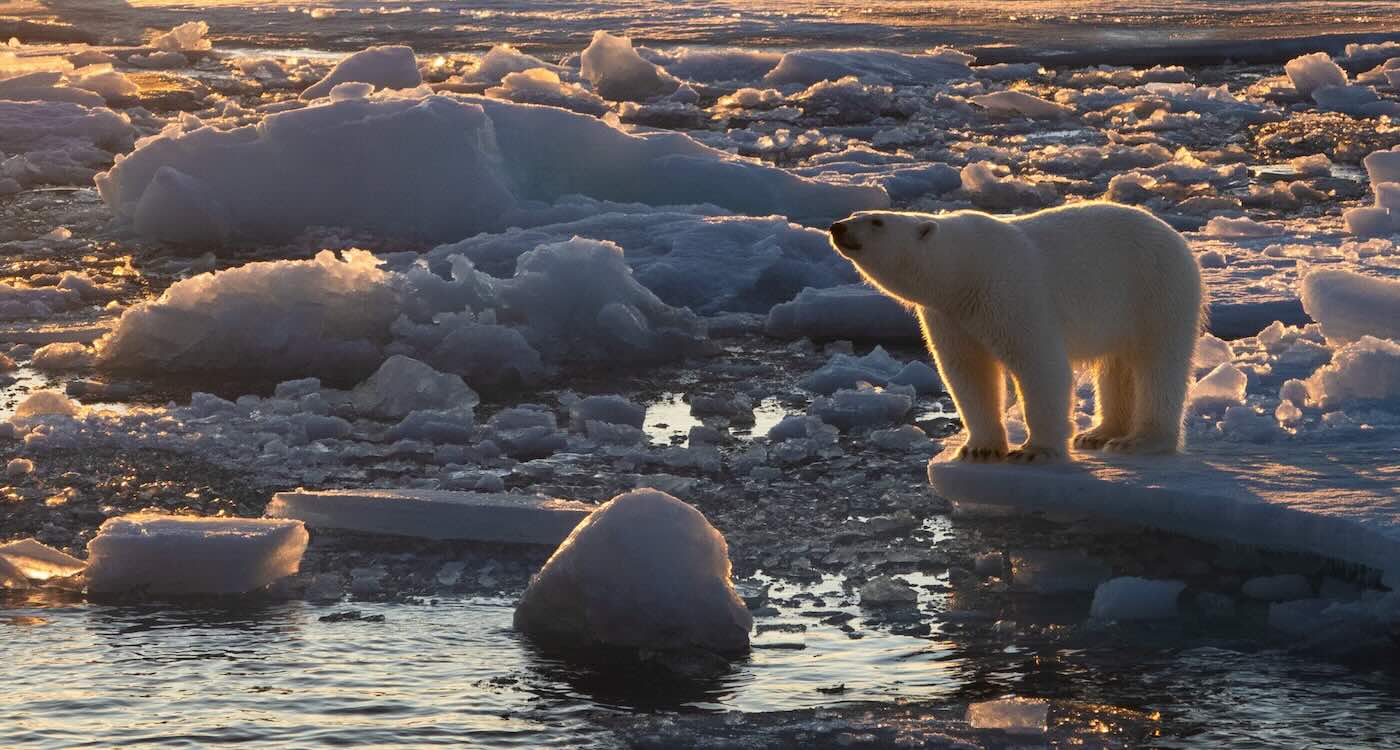
New research has revealed an unexpected and uplifting trend among polar bears in the Svalbard region of Norway. Contrary to fears that declining sea ice would negatively impact their health, these majestic creatures have been found to be in better physical condition than they were a quarter-century ago.
Improved Health Indicators
The study, published in the journal Scientific Reports, shows that over the past 25 years, polar bears around Svalbard have increased their fat reserves, despite a significant decrease in sea ice. This favorable development has surprised scientists, who initially anticipated a decline in polar bear populations due to challenging environmental changes.
Understanding the Changes
Dr. Jon Aars, a senior scientist at the Norwegian Polar Institute, led the research team that analyzed data from 1,188 body measurements of 770 adult polar bears taken between 1992 and 2019. Their findings indicate that while the number of ice-free days surged by an average of four days annually, the bears' body condition index (BCI) improved, suggesting enhanced fat reserves.
Possible Reasons for The Positive Trend
The researchers suggest that the health improvements in Svalbard's polar bears may stem from a recovery in land-based prey populations, such as reindeer and walrus, which were once over-exploited by humans. Furthermore, the decline in sea ice may have led to a concentration of food sources, such as ringed seals, within smaller areas, potentially making hunting easier for the bears.
Future Considerations
Despite these positive findings, Dr. Aars cautions that the overall trend might not be sustainable. As sea ice continues to diminish, it could lead to increased travel distances for the bears in search of food. Thus, ongoing research is essential to understand the adaptive behaviors of polar bears as they navigate a warming Arctic environment.
This research offers a glimmer of hope amid concerning climate change narratives, highlighting the resilience of these iconic animals. It’s a reminder that while challenges abound, some wildlife populations can adapt and even thrive under changing conditions.

