Surprising Positive Trends: Polar Bears Thrive Despite Climate Challenges
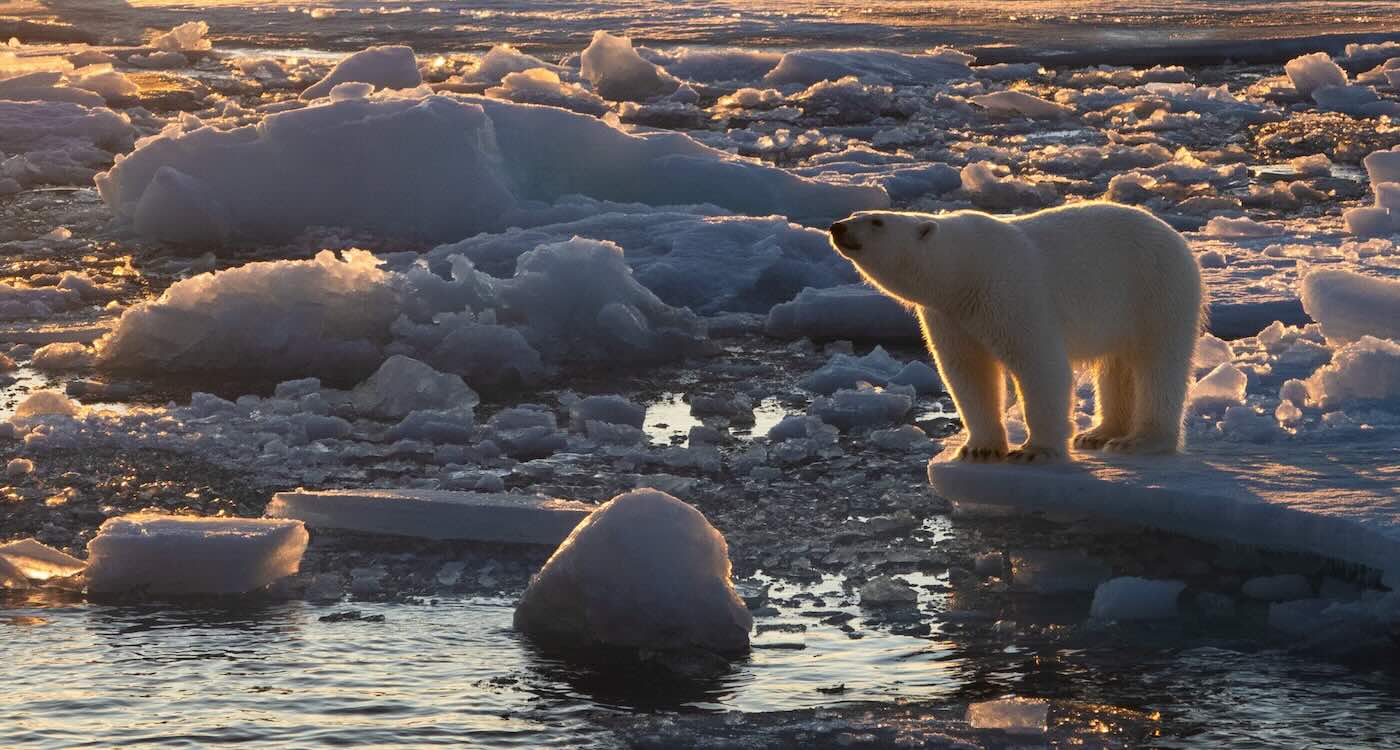
A recent study reveals an unexpected improvement in the well-being of polar bears around Svalbard, Norway. Despite the ongoing challenges posed by climate change and diminishing sea ice, these iconic animals are exhibiting better physical health than they did 25 years ago.
Shocking Findings on Polar Bear Health
Researchers were astonished to find that the fat reserves of polar bears have actually increased since the year 2000. This discovery is significant, especially in light of the fact that sea ice levels in the region continue to decline. Data from the Norwegian Polar Institute indicates that the population of polar bears in the Barents Sea remains stable, contrary to earlier alarming predictions of a decline across the Arctic regions.
Understanding the Reasons Behind the Health Improvement
The analysis conducted by Dr. Jon Aars and his team utilized a comprehensive dataset of body measurements from over 770 adult polar bears, spanning nearly three decades. They discovered that, even as the number of ice-free days increased, the bears' body composition index (BCI) showed an upward trend, indicating increased fat reserves.
According to the research, one reason for this improvement could be the recovery of land-based prey populations, which were historically over-exploited. This resurgence may have provided a new food source for polar bears, enhancing their hunting success.
Looking Ahead: A Cautious Optimism
While these findings offer a glimmer of hope for polar bear populations, Dr. Aars warns that the future may not be so bright. Further reductions in sea ice could pose significant challenges, forcing polar bears to travel longer distances for hunting. Continued research will be crucial to understand the adaptability of polar bear populations in an increasingly warm Arctic.
This research not only sheds light on the resilience of polar bears but also emphasizes the importance of monitoring ecosystem changes as climate conditions evolve. As we delve deeper into understanding these magnificent creatures, it becomes clear that there is more to learn about their survival and adaptation.

