Surprising Twist: Polar Bears Thriving Despite Climate Concerns
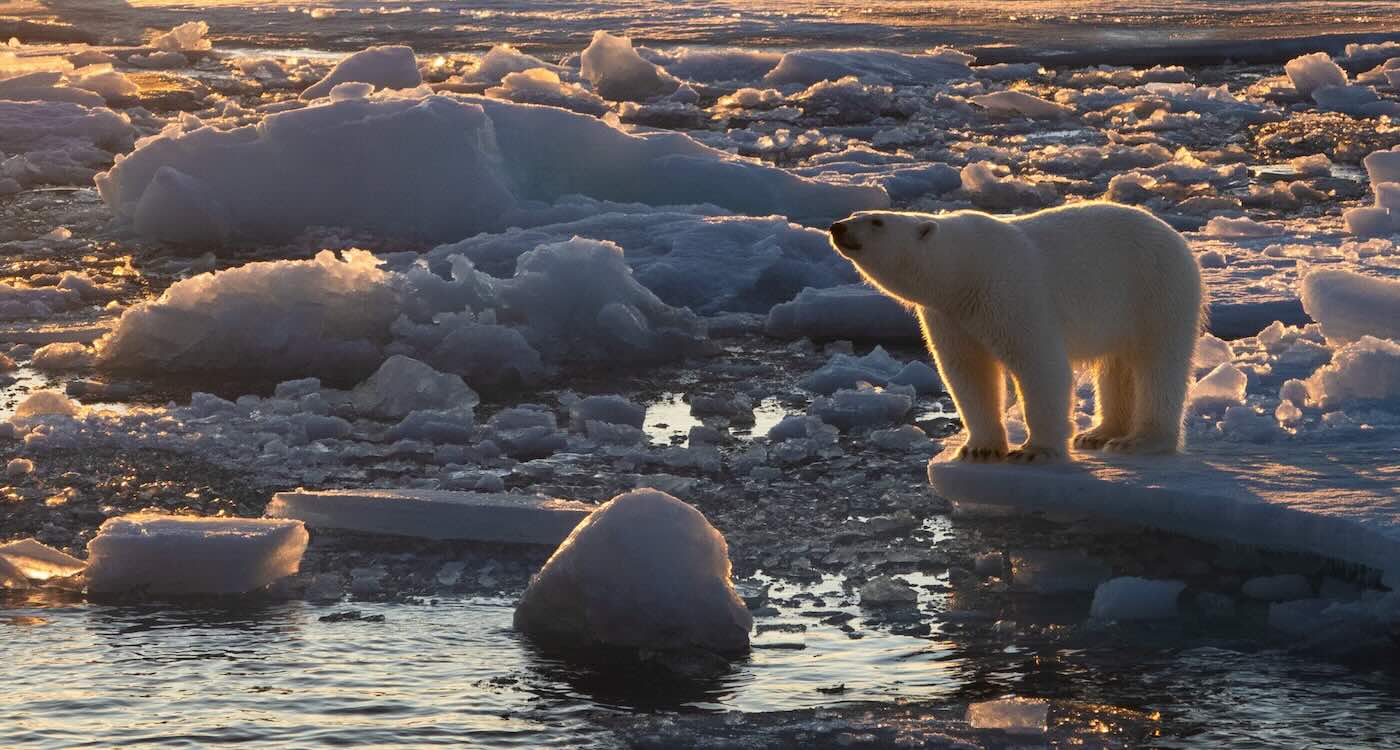
Recent research reveals a heartening trend regarding polar bears in the Svalbard region of Norway. Despite a notable decrease in sea ice, these majestic creatures have shown remarkable improvements in their overall health over the past 25 years. The study, published in the journal Scientific Reports, highlights that the fat reserves of polar bears have actually increased since the year 2000, contradicting the previously assumed narrative of declining polar bear populations in the Arctic.
Research Insights
The study, led by Dr. Jon Aars at the Norwegian Polar Institute, analyzed body measurement data from 770 adult polar bears over a span of 27 years. Surprisingly, even as the Barents Sea experienced temperature increases of up to two degrees Celsius per decade, the polar bear population around Svalbard has remained stable, with no signs of significant decline. This stability is particularly notable, considering the harsh conditions linked to climate change.
Reasons for Improvement
Researchers believe the improved health of these polar bears may be linked to the recovery of land-based prey populations, such as reindeer and walrus, which had previously been over-exploited. Additionally, the researchers suggest that changes in hunting dynamics due to sea ice loss may actually benefit polar bears by concentrating their prey, such as ringed seals, in smaller areas. As such, polar bears may find it easier to hunt, thus improving their fat reserves.
The Bigger Picture
While this research presents a positive outlook for the Svalbard polar bears, it is important to note that Dr. Aars cautioned against complacency. Continuing reductions in sea ice could reverse the gains seen so far, necessitating further investigation into how various polar bear populations will adapt in a warming Arctic environment. The findings encourage a nuanced understanding of the interplay between climate change and wildlife adaptation, emphasizing that nature can exhibit resilience even in challenging circumstances.
These developments offer a glimmer of hope in the ongoing discourse about climate change and its impacts on wildlife, reminding us that adaptation and recovery can occur, even in the face of significant environmental challenges.

