Surprising Upsurge: Polar Bears Thrive Despite Climate Challenges
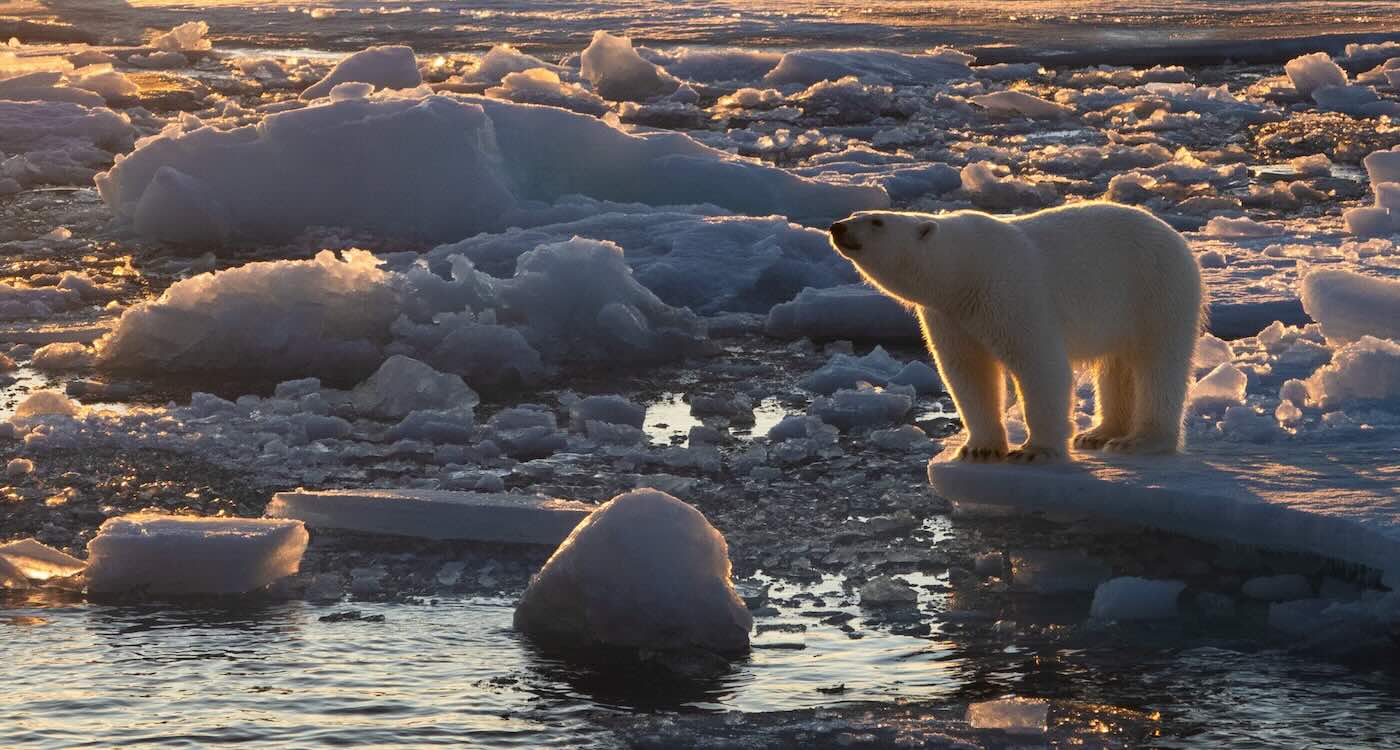
Recent research has revealed good news for polar bears in the Svalbard archipelago, as these majestic creatures have shown improved physical health over the past 25 years, even as sea ice continues to diminish. The findings, published in the journal Scientific Reports, contradict the common perception of declining polar bear populations in the Arctic brought on by climate change.
A Positive Trend Amid Climate Concerns
Scientists were taken aback to discover that the fat reserves of polar bears living around Svalbard have increased since the year 2000. This positive trend emerges amidst the backdrop of climate change, where rising temperatures and decreasing sea ice are often associated with negative outcomes for these polar giants.
Understanding the Findings
Dr. Jon Aars, a senior scientist at the Norwegian Polar Institute, led a research team that analyzed body measurement records of 770 adult polar bears from 1992 to 2019. The team observed that even with an increase of approximately 100 ice-free days during the study period, the mean Body Composition Index (BCI) of the bears improved. This metric, which signifies fat reserves, suggests that the bears have become more efficient hunters, potentially due to a recovery of their land-based prey populations.
Factors Contributing to Improved Hunting
The research suggests that the stability of polar bear populations in Svalbard could be correlated with the resurgence of prey species, such as reindeer and walrus, which were once over-exploited by humans. Furthermore, scientists speculate that the concentration of food sources like ringed seals in smaller areas of remaining sea ice may enhance hunting efficiency for polar bears, facilitating their survival despite changing environmental conditions.
Future Challenges and Research Directions
While the current findings are encouraging, Dr. Aars cautions that this positive trend may be fragile. Increasing sea ice loss could lead to greater distances that polar bears must traverse to access suitable hunting grounds. Ongoing research is crucial to understanding how polar bear populations will continue to adapt to a warming Arctic and to ensure the future survival of these iconic animals.
This study emphasizes the importance of monitoring wildlife adaptability in the face of climate change, reminding us that resilience can sometimes emerge in unexpected ways.

