The Future of Urban Living: A Sustainable Vision for Tomorrow
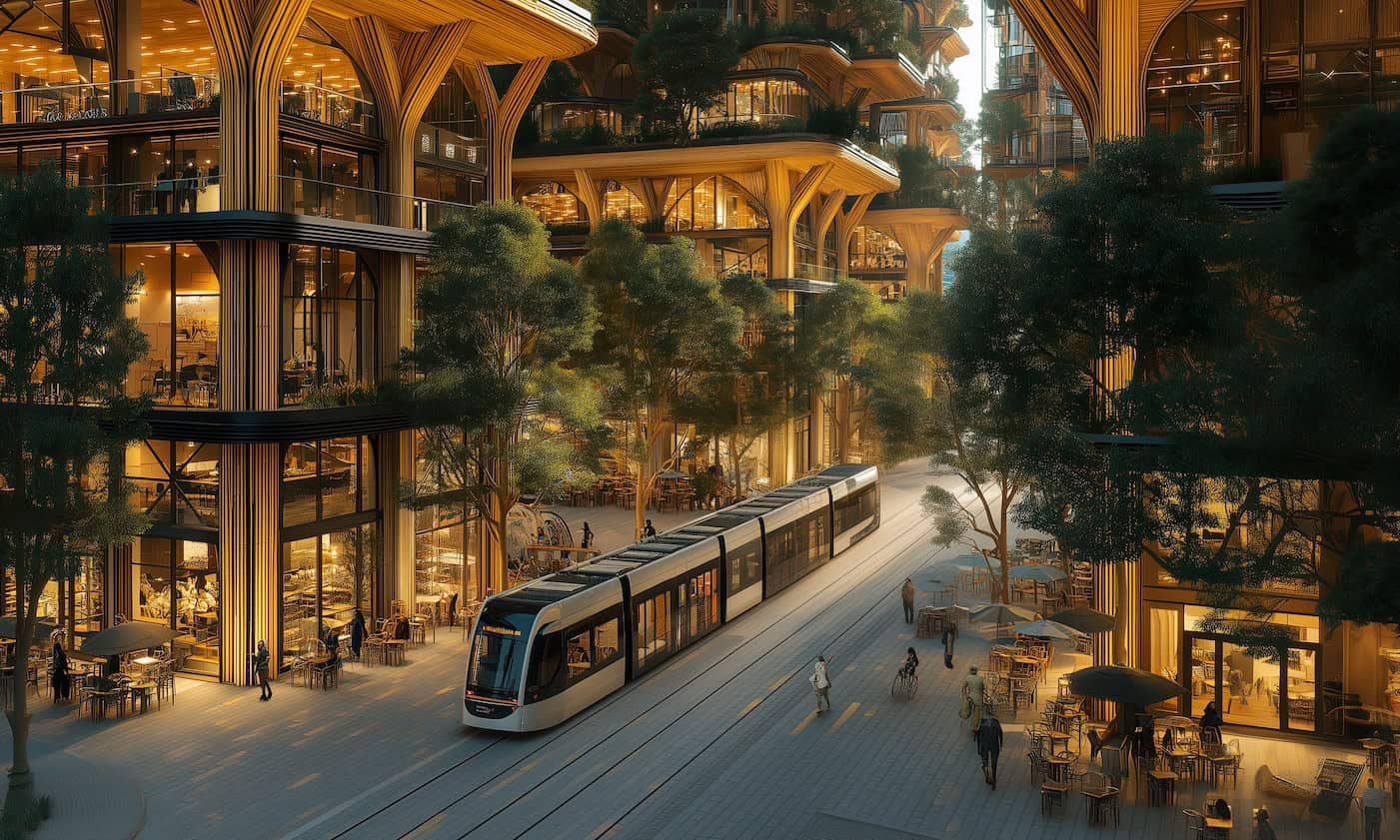
As cities around the world grapple with increasing population density and environmental concerns, a revolutionary concept known as Forest City 1 is poised to reshape urban living. Designed to be liveable, sustainable, and resilient, this ambitious project represents a groundbreaking shift in how we envision city life in the coming decades.
A Green Transformation
Forest City 1, anticipated to commence on a vast parcel of land in Cambridgeshire-Suffolk, promises to introduce wooden towers adorned with greenery and solar facades, a stark contrast to the glass-and-steel skylines of contemporary cities. The project is not only about aesthetics; it aims to create an ecosystem where every building generates its own energy and efficiently manages resources through advanced technology.
Community-Centric Living
At the heart of Forest City 1’s design is a Community Land Trust model that ensures housing remains affordable, democratizing land and property ownership. This innovative approach has potential implications beyond its borders, as new homes developed here are projected to ease housing market pressures across the UK by pulling average prices down by 4%. This victory for affordability is particularly crucial for young professionals previously priced out of the market.
Intelligent Infrastructure
Utilizing embedded IoT technology, Forest City 1 will optimize lighting, heating, and water management autonomously, allowing residents to enjoy a hassle-free living experience. This level of integration portrays a future where urban environments adapt to the needs and activities of their inhabitants, enhancing quality of life while simultaneously tackling climate issues.
Successful Precedents
Beyond Forest City 1, cities worldwide are also embracing innovative urban planning solutions. Paris has made notable strides in converting congested streets into pedestrian-friendly routes, resulting in cleaner air and safer surroundings for residents. With over 300 ‘school streets’ approved for pedestrianization, the French capital is setting a global benchmark for urban rejuvenation centered on community well-being.
Conclusion: The City of Tomorrow is Within Reach
The discussions surrounding Forest City 1 and similar initiatives indicate a significant shift toward prioritizing sustainable and inclusive urban living. While challenges remain in balancing development with environmental and agricultural preservation, the momentum behind these projects reflects a collective desire for creating cities that not only accommodate but also nurture their residents. The future of urban living is evolving; cities are becoming greener, smarter, and more attuned to the needs of their communities.

