The Future of Urban Living: A Vision for Sustainable Cities
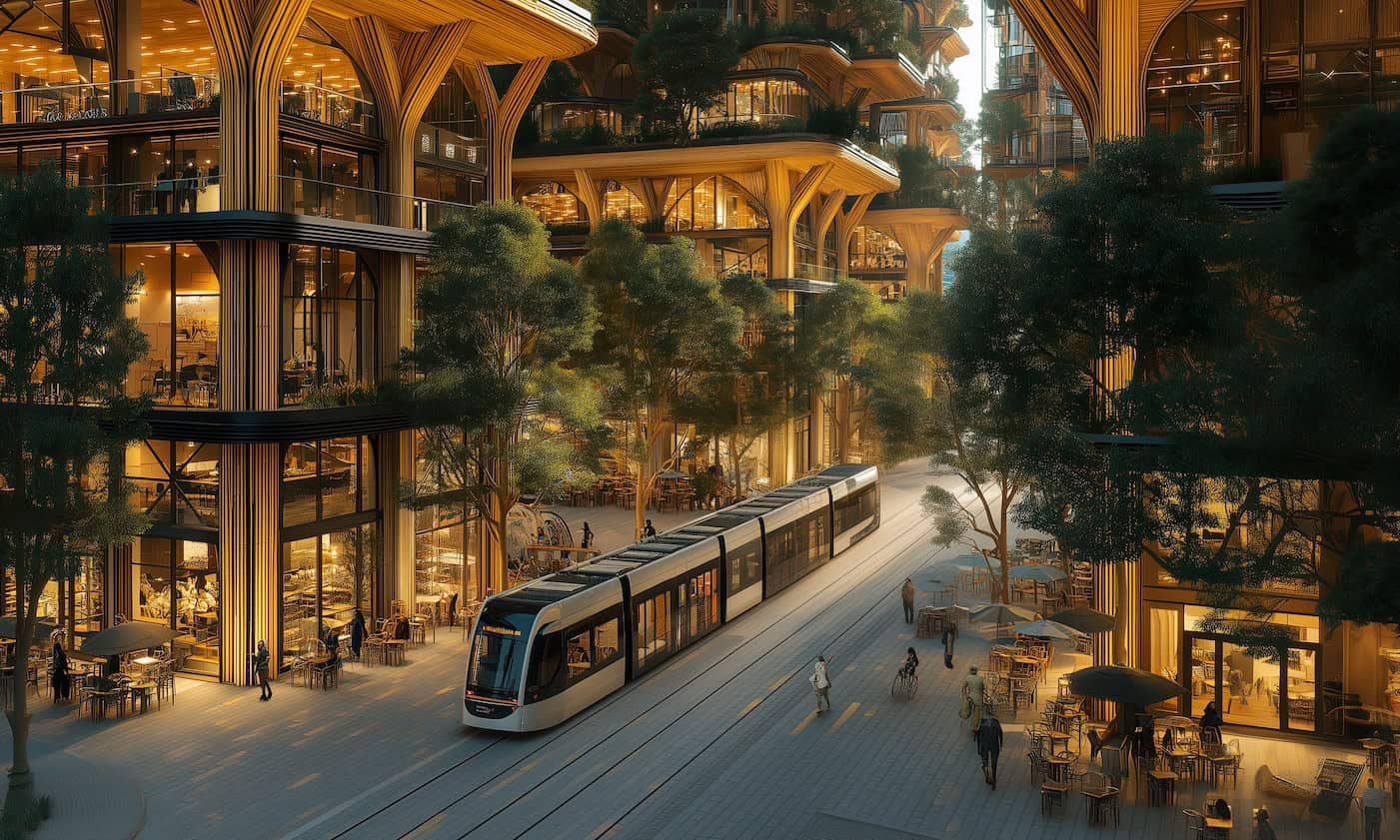
As we look towards the future, a remarkable transformation in urban living is on the horizon, driven by the pressing need for sustainability and livability in our cities. The concept of Forest City 1 is emerging as a beacon of hope, showcasing what metropolitan areas could look like in the years to come. This innovative city, designed with nature in mind, aims to redefine our relationship with urban spaces.
Forest City 1: A Model for Sustainable Living
Envisioned by Joe Reeve and Shiv Malik, Forest City 1 is not merely a dream but a potential reality that could be realized within a few years. Located on the Cambridgeshire-Suffolk border, this pioneering city is set to feature wooden towers, abundant greenery, and autonomous transportation systems that replace the traditional hum of traffic. Every building is designed to generate its own energy through integrated solar panels and wind systems, fostering an environment where sustainability reigns supreme.
The Community Land Trust model promotes affordability by separating land ownership from property ownership, thereby empowering residents to manage their community’s resources. This approach has already helped reduce average UK house prices by 4%, making a profound impact on the housing market and showing that innovative urban planning can directly contribute to financial accessibility.
A Revolutionary Approach to Urban Design
Forest City 1 emphasizes not just aesthetic enhancements but also ecological benefits, allocating over 12,000 acres to forest, which will boost biodiversity and counteract the effects of climate change. Reeve highlights the importance of creating a place where people genuinely want to live, a sentiment that resonates throughout various urban planning discussions globally.
Global Inspirations and Local Adaptations
Cities worldwide are taking similar strides towards a cleaner, more communal urban experience. Paris has made significant advancements by transforming streets into pedestrian-friendly areas, particularly through the introduction of over 300 ‘school streets’. This initiative has garnered public support, showcasing how urban environments can prioritize the wellbeing of children and families while also improving air quality and public safety.
Likewise, Rotterdam is implementing innovative strategies for water management, integrating parks that double as temporary reservoirs during heavy rainfall. Such designs not only serve functional purposes but enhance the quality of life for residents by providing green spaces for recreation and relaxation.
Looking Forward: The Urban Evolution
The developments happening in places like Forest City 1, Paris, and Rotterdam offer a glimpse into a future where urban spaces are harmoniously integrated with nature. This shift promises to enhance not just individual lives but also our collective wellbeing as communities. As we navigate challenges like climate change and urban congestion, adapting our cities with a focus on sustainability, livability, and community control will be essential.
With both investors and local governments backing transformative projects, the time is ripe for a new chapter in urban development. The future of cities is bright, provided we choose to embrace these innovative ideas and work together to bring them to fruition.

