The Future of Urban Living: How New Cities are Reshaping Our World
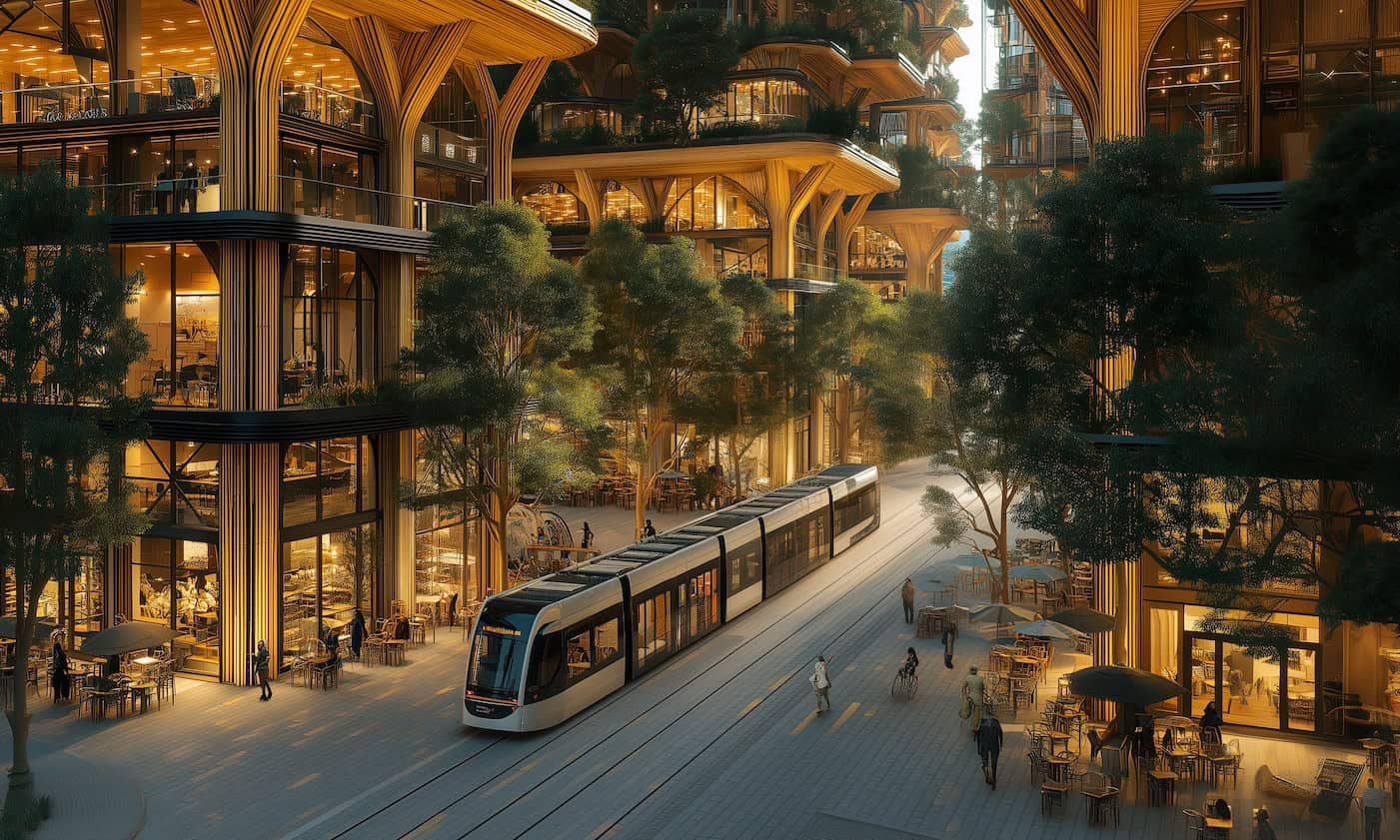
As urbanization continues to surge, a remarkable vision for the cities of tomorrow is taking shape. This vision prioritizes sustainability, livability, and resilience, leading to the emergence of innovative projects like Forest City 1 in the UK. This planned city not only challenges conventional notions of urban living but also paves the way for a healthier, more connected future.
An Immersive Urban Vision
Forest City 1, proposed on the Cambridgeshire-Suffolk border, showcases an inspired design featuring wooden towers intertwined with nature. The project aims to create a metropolitan area where every building generates its own energy through solar and micro wind systems, and where autonomous transport options eliminate the noise and congestion typical of modern cities. With abundant green spaces and eco-friendly architecture, this modern landscape is envisioned to be a sanctuary for its residents.
Community-Centric Development
This innovative project also emphasizes affordability and community control through the Community Land Trust model. By separating land ownership from property ownership, local residents gain authority over the management of community resources. The result has been a reassuring decrease in housing costs, making it possible for many to find their ideal homes amidst a sustainable living environment.
Learning from Global Examples
Other cities are following suit by embracing models that enhance urban life. Paris, for instance, has taken the lead in transforming its urban spaces through measures like the creation of 'school streets' that promote pedestrian access while improving air quality. Such initiatives have garnered strong community support and highlight the positive ramifications of prioritizing people over vehicles in urban planning.
A Blueprint for the Future
Beyond Forest City 1, cities worldwide are experimenting with integrating sustainability into their infrastructures. Innovations such as green roofs, rainwater harvesting systems, and pedestrian-friendly layouts illustrate how urban environments can adapt to tackle pressing issues like climate change and population growth. As these concepts begin to take root, there is hope that they can lead to healthier, more vibrant urban spaces for all.
Conclusion: A Call to Action
The vision for our urban future is not a distant dream but a tangible path we can embark upon collectively. As cities evolve, it becomes essential to reconsider how we live and interact within these spaces. Engaging in conversations surrounding sustainable development and community-focused initiatives will play a crucial role in ensuring that our future cities are places where people genuinely want to live, work, and thrive.

