The Future of Urban Living Looks Brighter Than Ever!
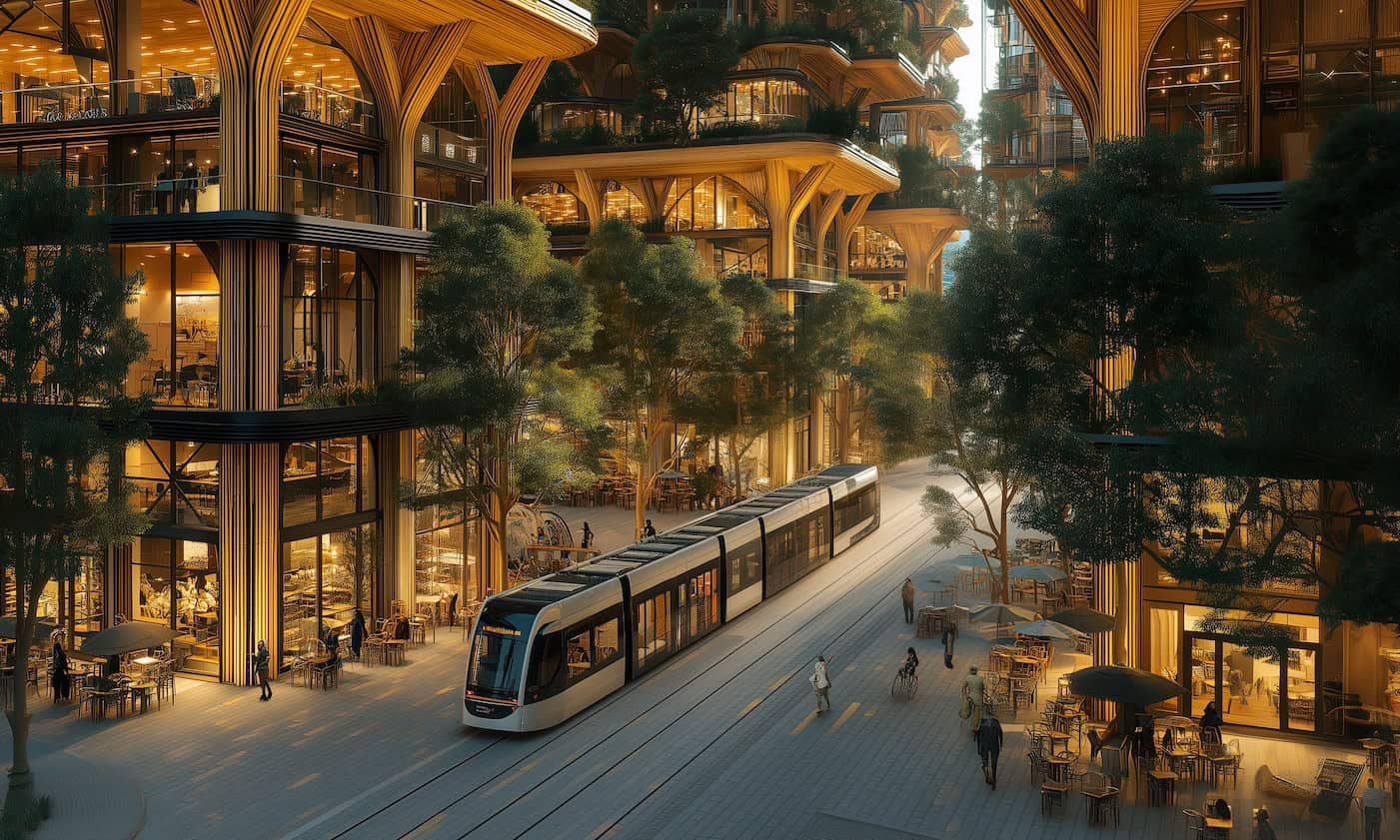
A transformative vision for urban living is on the horizon, as cities around the world begin to evolve into more livable and sustainable habitats. Some innovators are spearheading this change, leveraging technology and design to create urban environments that prioritize both functionality and community well-being.
The Emergence of Forest City 1
One of the most exciting developments is Forest City 1, set in a vast plot on the Cambridgeshire-Suffolk border. This innovative city, designed by Joe Reeve and Shiv Malik, proposes sustainable living with wooden towers that ascend above greenery, connecting residents with nature while minimizing reliance on fossil fuels.
Since its inception in 2032, the city has welcomed one million residents, including young professionals seeking affordable housing options outside traditional markets. By employing a Community Land Trust model, Forest City 1 separates land ownership from property ownership, giving locals greater control over their living environment and helping to alleviate national housing pressures.
Smarter Cities Foster Community Well-Being
The project's extensive allocation of land for forest and green spaces will significantly enhance local biodiversity, turning monocultural farmland into a vibrant ecosystem. With a focus on reducing carbon footprints and generating renewable energy on-site, Forest City 1 is shaping up to be a model for future urban development.
Many urban planners and local governments are taking inspiration from successful transitions seen in cities like Paris. Recent initiatives have transformed once-busy thoroughfares into pedestrian-friendly school streets, allowing children a safer environment filled with greenery and fresh air. The positive impact on air quality and community interaction has driven substantial public support for these initiatives.
Embracing Nature and Technology
Additionally, the integration of smart technologies is revolutionizing the way we manage urban resources. Innovations in water management, such as Rotterdam's water squares, exemplify how combining public space with effective water retention systems can simultaneously enhance urban aesthetics and resilience to climate change.
With cities around the globe focusing on similar initiatives—whether through electrified public transport, green infrastructure, or pedestrianization—urban environments are poised to emerge as hubs of sustainability and health. This shift reflects a significant cultural transformation towards prioritizing community-oriented living, emphasizing the importance of regenerating urban ecosystems while creating inviting spaces for all residents.
As the momentum for these changes builds, it becomes increasingly clear that the future of urban living is not merely a concept but a tangible reality in the making. Engaging with and investing in these ideas can pave the way for healthier and more equitable cities where people thrive alongside nature.

