The Remarkable Discovery of Elephant Whiskers: A Leap Towards Advanced Robotics
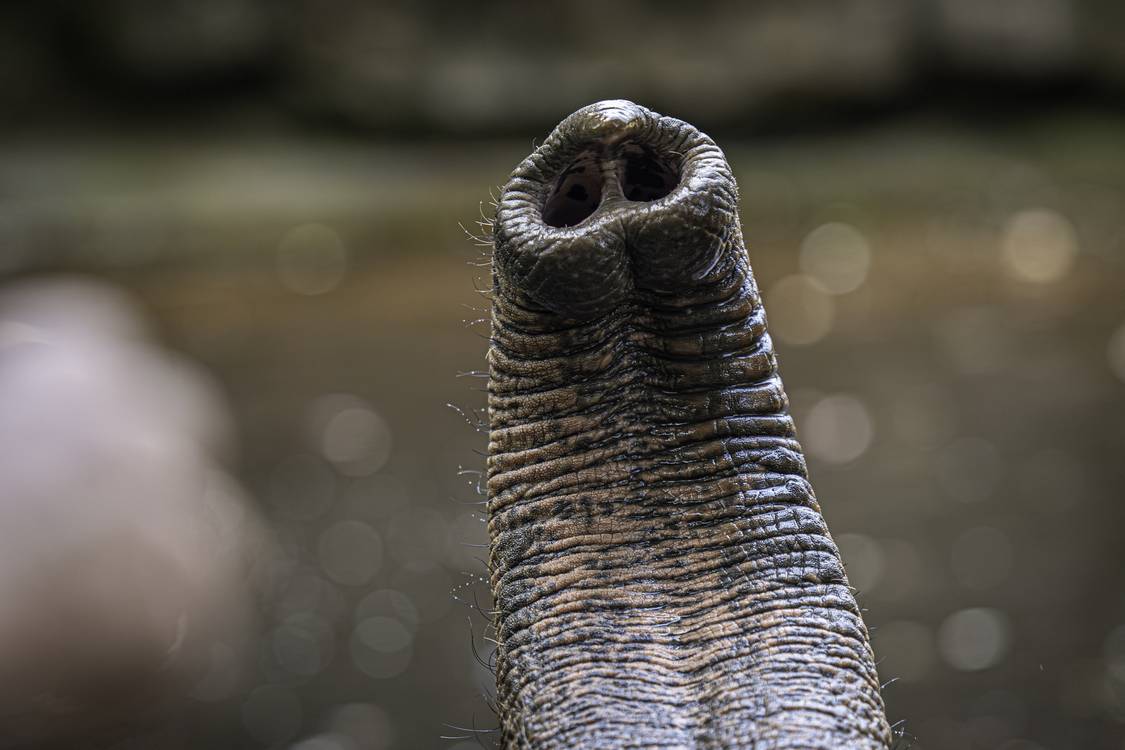
Recent research into elephant whiskers has revealed incredible insights into their unique anatomy and functionality, providing a potential roadmap for advancements in robotic sensing technologies. Scientists have uncovered that the 1,000 specialized hairs on an elephant's trunk possess properties that allow these majestic creatures to have a remarkable sense of touch, facilitating precise interactions with their environment.
The Science Behind the Whiskers
The study led by Dr. Andrew Schulz highlights how the stiffness gradient of elephant whiskers enables these animals to detect contact with objects efficiently. Unlike the uniformly stiff whiskers of rodents, the elephant's whiskers transition from a stiff base to a soft rubber-like tip. This design grants the elephant an extraordinary ability to pick up small items, such as peanuts or even delicate tortilla chips, without damage.
Inspiration for Robotics
The implications of this research extend beyond the animal kingdom. Drawing inspiration from the adaptive design of elephant whiskers, engineers are contemplating the development of innovative robotic sensors that mimic this natural phenomenon. Such bio-inspired technologies could enhance the capabilities of robots in various applications, enabling them to sense their environment with greater accuracy and efficiency.
A Step Forward in Understanding Nature
The findings underscore a significant advancement in our understanding of how animals interact with their surroundings. Through sophisticated techniques like micro-CT scanning, researchers were able to investigate the intricate structure of elephant whiskers, revealing their thick and blade-like form, which combines functionality with durability. This knowledge not only intrigues us about the elephants' own abilities but could revolutionize how we design robotic systems.
The path to developing intelligent, bio-inspired materials that incorporate these insights could lead to a new era of robotics, where machines and devices operate with an agility and sensitivity reminiscent of their natural counterparts. As Dr. Schulz notes, "Bio-inspired sensors that have an artificial elephant-like stiffness gradient could give precise information with little computational cost purely by intelligent material design."
This remarkable research invites us to appreciate the profound connections between nature and technology, reflecting the endless possibilities that educational endeavors in biological studies can offer.

