The Surprising Link Between Grandparenting and Cognitive Well-being
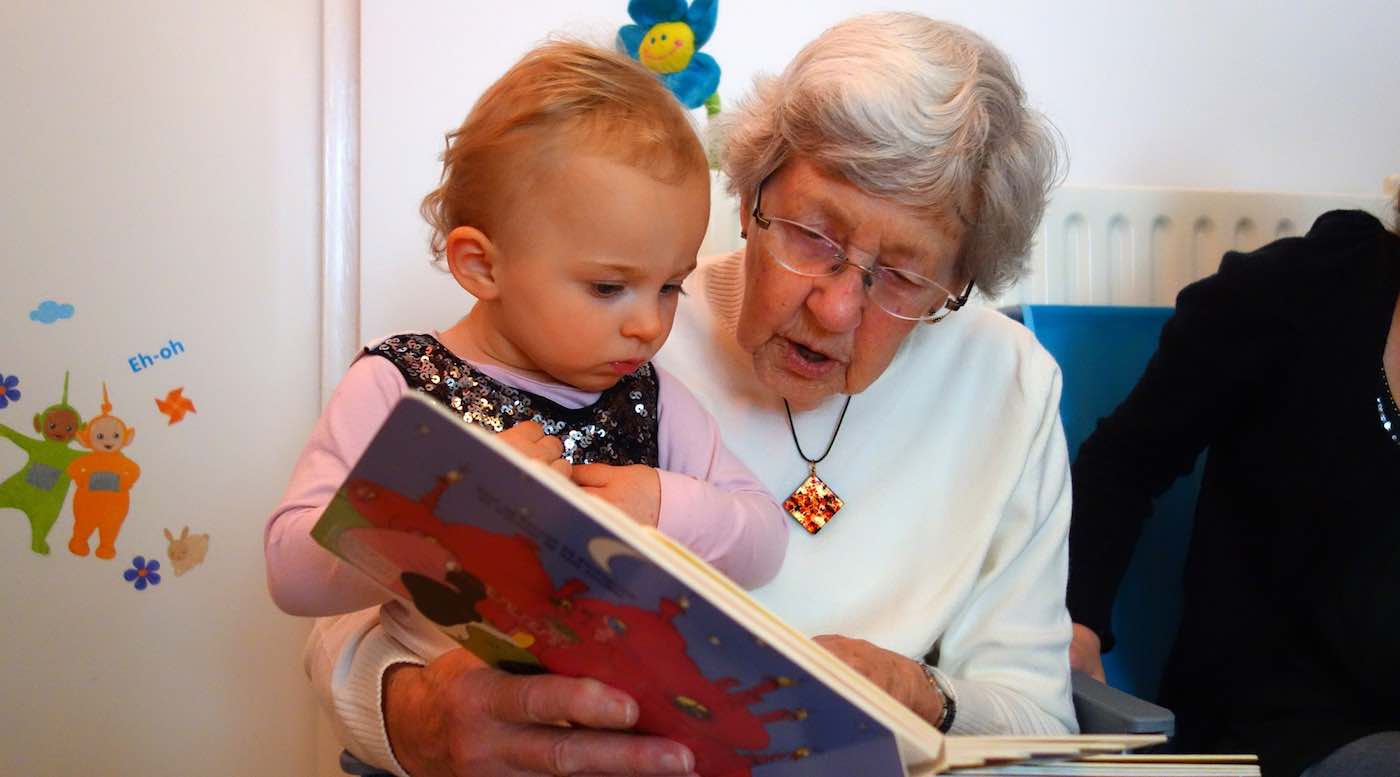
A recent study reveals a transformative truth: being an involved grandparent may significantly benefit not only grandchildren but also the grandparents themselves. Research led by Flavia Chereches at Tilburg University suggests that caring for grandchildren can act as a protective factor against cognitive decline and dementia among older adults.
Examining the Benefits of Grandchild Care
The study, which analyzed data from 2,887 grandparents over the age of 50, found that those who took on child care responsibilities scored higher on cognitive tests, including memory and verbal fluency. This finding remains significant even after accounting for variables such as age and health.
Chereches emphasized that the act of caregiving itself, rather than the frequency or type of care provided, appears to offer cognitive benefits. "Being a caregiving grandparent seemed to matter more for cognitive functioning," she noted.
Grandparenting: A Vital Role in Family Dynamics
In the UK alone, approximately five million grandparents regularly provide childcare, with many doing so to support their own children and contribute to family well-being. According to Age UK, this involvement not only strengthens familial bonds but also plays a crucial role in combating loneliness and keeping older individuals mentally active.
The study underscores the importance of “gran-nannying,” highlighting its potential benefits for both grandparents and their families. The positive engagement that comes from caring for grandchildren fosters a sense of purpose and connection, vital aspects of mental health.
A Personal Reflection
In a heartwarming moment shared on CBS news, a host asked his mother about the study's findings, to which she responded, "They energize me, more than drive me down." This sentiment resonates with many who understand the unique joy and fulfillment that comes from grandparenting.
As this research demonstrates, being an active participant in the lives of grandchildren can yield positive outcomes that extend beyond immediate family benefits, offering an enriching experience for grandparents that enhances their cognitive health. The implications of such findings suggest that society should continue to recognize and encourage the vital role grandparents play in family dynamics.

