
Transform Your Backyard into a Wildlife Oasis this Summer
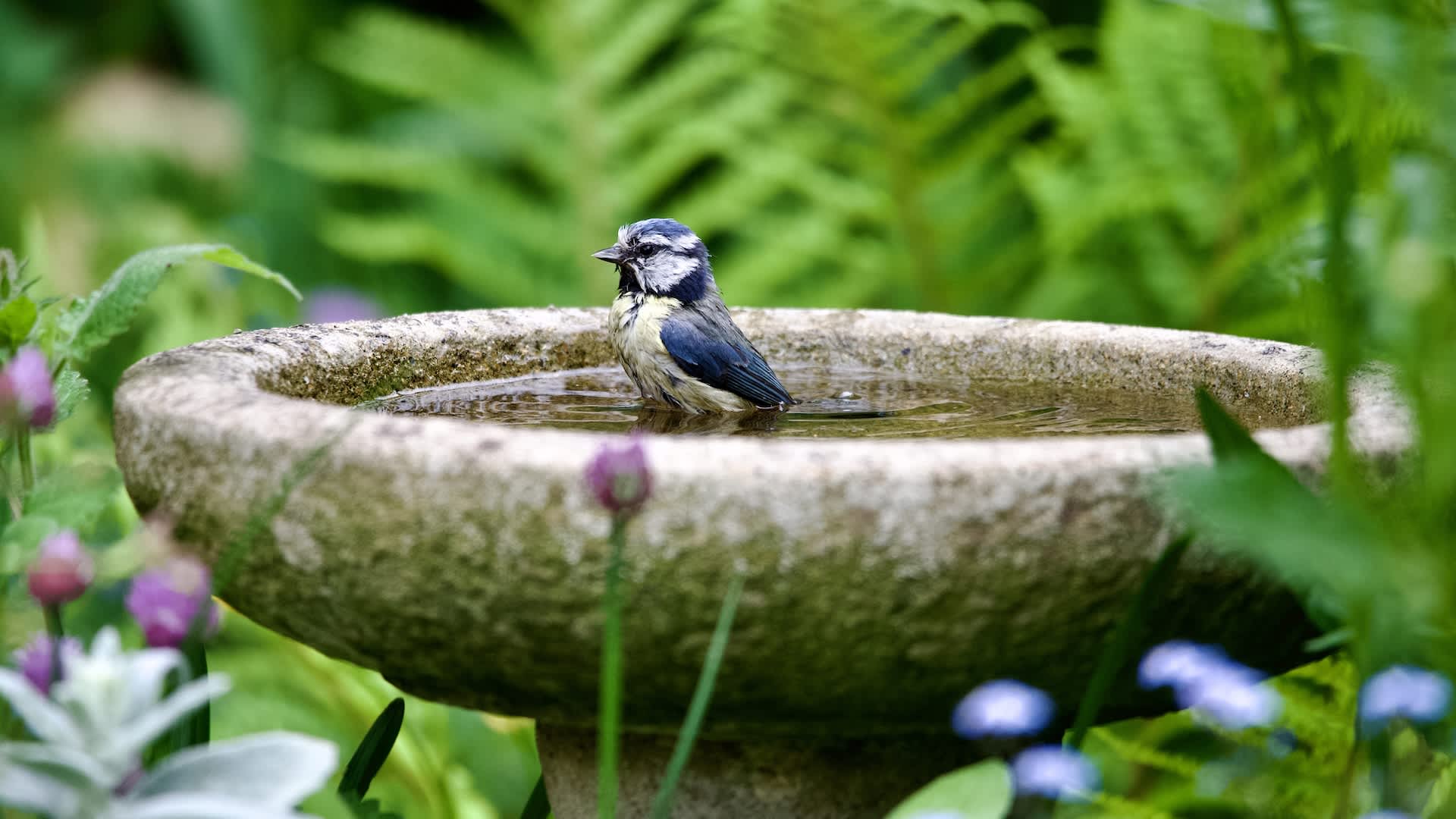
As temperatures soar during summer heatwaves, our feathered friends face serious struggles for survival. Wildlife experts remind us of the vital role that simple garden modifications can play in protecting birds during these challenging conditions. With the right strategies, we can help create safe havens for wildlife right in our backyards.
The Importance of Hydration
Birds, unlike humans, cannot sweat to regulate their body temperatures, making them particularly susceptible to heat stress. As the Royal Society for the Protection of Birds (RSPB) highlights, providing clean water sources, such as bird baths or shallow dishes in shaded areas, can significantly help birds keep cool and hydrated. This small change can provide immense relief to wildlife during intense heat, serving as a refuge for them to rehydrate and recuperate.
Creating Wildlife-Friendly Spaces
Beyond hydration, small backyards can be transformed into lush refuges for birds with the addition of shade-providing plants and environmentally friendly gardening practices. Planting native shrubs and trees not only provides shelter but also attracts various bird species, enhancing our connection to nature. Additionally, cultivating your own fruits, vegetables, and herbs offers personal health benefits while helping to reduce grocery costs.
Responsible Bird Care
Maintaining hygiene in bird baths is crucial for bird health. Experts recommend scrubbing baths weekly and changing the water daily to prevent disease. This simple initiative ensures that the drinking water remains fresh and free from pathogens that thrive in warm conditions. By following these guidelines, we can enhance the well-being of our avian visitors while enjoying the beauty they bring to our gardens.
By dedicating just a modest effort towards wildlife conservation, we can significantly improve the lives of birds in our local neighborhoods. So this summer, take a moment to reflect on how your outdoor space can support the feathered flocks and join in the collective effort to build a more hospitable environment for wildlife.




