Transform Your Home into a Comfort Haven with Natural Materials
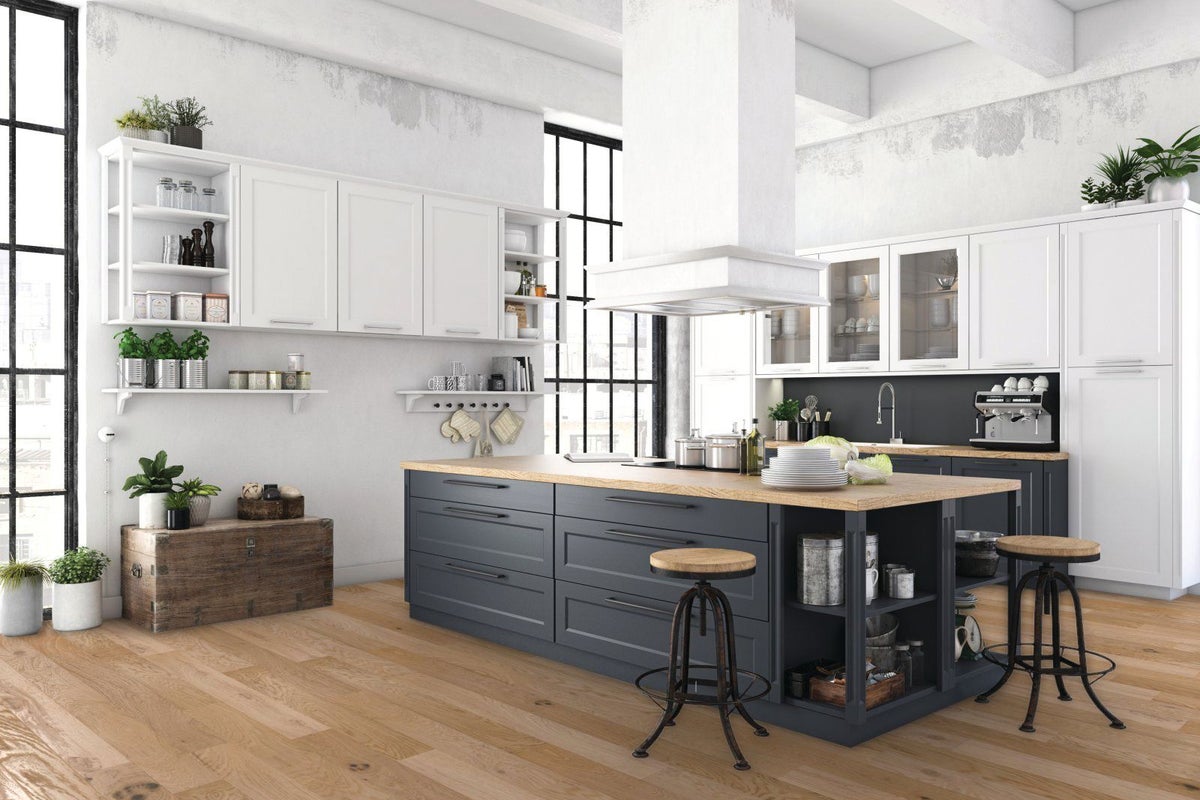
In an age where environmental connectedness and personal comfort are paramount, natural materials are making a significant impact on how we design and live in our homes. With a focus on creating spaces that foster warmth and stability throughout the year, homeowners are increasingly turning to natural alternatives to synthetic materials.
The Benefits of Natural Materials
Natural materials such as wool, timber, and clay are not just aesthetically pleasing; they also offer functional benefits that enhance indoor climate regulation. For instance, wool is renowned for its insulating properties, effectively trapping heat and moisture to maintain a balanced atmosphere. This not only makes homes feel warmer in winter but also contributes to a comfortable living environment year-round.
Wool: The Natural Insulator
Wool is often considered one of nature’s most effective insulators. Its fibers trap warm air, making wool rugs and carpets a perfect choice during colder months. Furthermore, wool’s hygroscopic nature allows it to absorb moisture without feeling damp, which helps to stabilize humidity levels for a restful night’s sleep.
The Warmth of Timber
Timber flooring is another natural choice known for its warmth underfoot compared to cold ceramic tiles. Beyond its physical comfort, wood enhances our connection to nature. Research suggests that being surrounded by natural elements can significantly improve our sense of well-being, making wood a valuable addition to any interior design.
Clay and Stone: Beautiful and Functional
Materials like clay and natural stone not only elevate the aesthetic appeal of a home but also provide excellent thermal mass. They absorb heat during sunny days and slowly release it as temperatures drop, ensuring a consistent and comfortable climate indoors. This balance helps reduce energy costs, as heating and cooling systems operate more efficiently.
Embracing Sustainable Options
As sustainability becomes pivotal in our lives, materials such as cork and plant-derived textiles like organic linen and hemp are gaining popularity. Cork, known for its eco-friendliness and natural insulation, is being reimagined in contemporary design, while hemp and linen fabrics offer durability and moisture control, creating a comfortable environment in both winter and summer.
In conclusion, integrating natural materials into home design not only enhances comfort but also supports a sustainable lifestyle. By choosing choices that prioritize breathability, humidity control, and aesthetic value, we can create serene and connected living spaces that benefit both homeowners and the planet.

