Transform Your Home, Transform Your Life: The Secret to Mental Well-Being
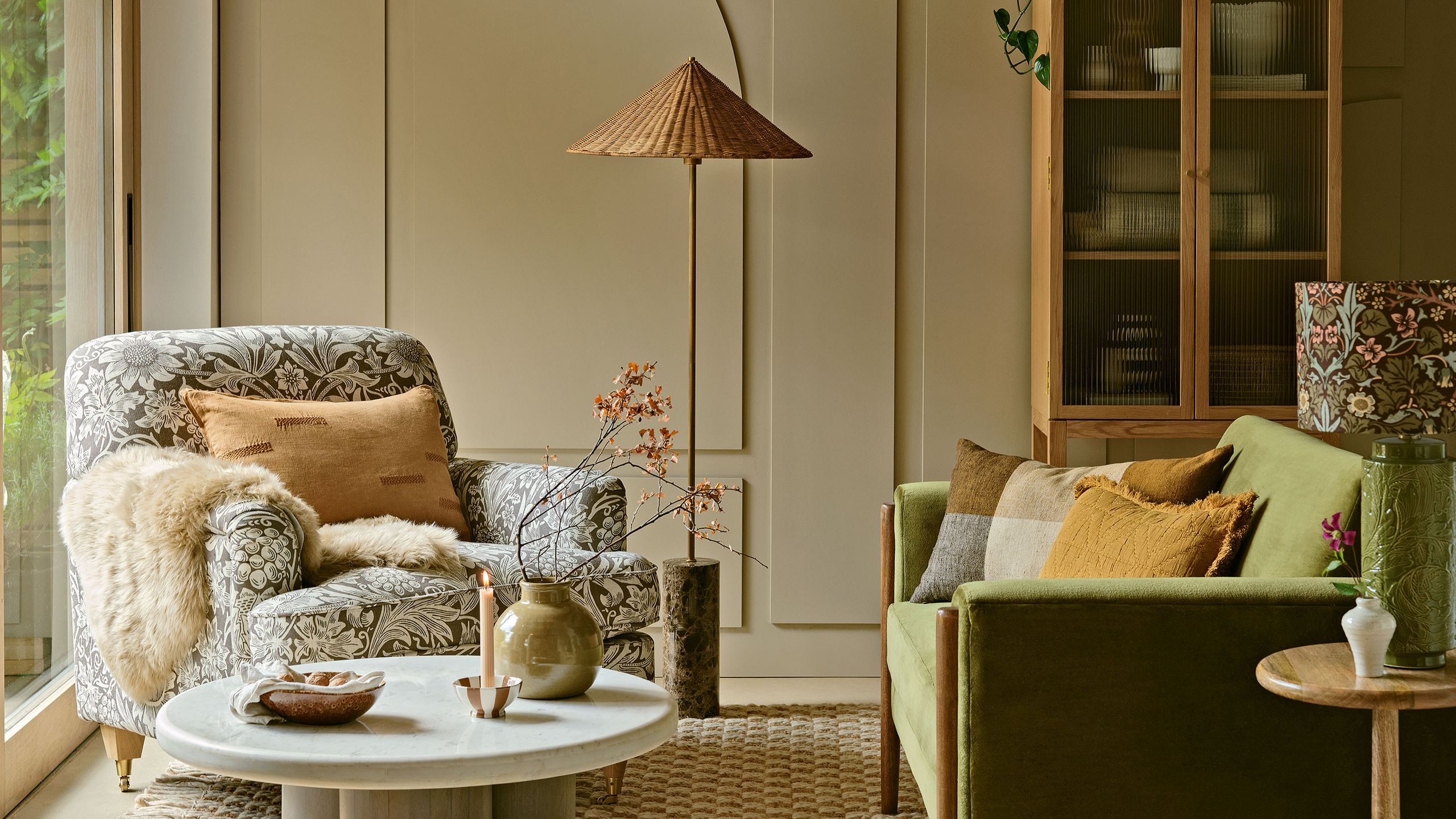
Your home environment plays a crucial role in your mental health, impacting everything from mood to stress levels. Recent insights from psychologists and interior designers reveal that thoughtful interior design choices can significantly enhance our well-being. In an age where wellness trends come and go, this concept stands out with solid scientific backing.
The Connection Between Design and Mental Health
It is well understood that our surroundings can influence our emotional and mental state. Dr. Ravi Gill, a practitioner psychologist, explains how factors such as light, color, spatial layout, noise, and even access to nature collectively impact our mental well-being. Studies show that simple design elements, such as natural light and biophilic decor, can reduce anxiety and boost mood.
Creating a 'Happy Home'
Interior designer Wren Loucks emphasizes the necessity of a design that caters to our senses. From calming color schemes to comforting textures, our home environment should be conducive to a sense of calm and well-being. Choosing colors that resonate with one's personality can enhance feelings of safety and joy, according to color psychology expert Karen Haller.
Essential Elements for a Positive Home Environment
Experts recommend several science-backed approaches to enhance your living space. First, consider the use of color. Colors like soft sage green or sunny yellows can evoke positive emotions, while textures matter too. Natural materials like wood and linen can ground a space, providing a comforting touch that aids relaxation.
The Power of Light
Natural lighting has been shown to enhance cognitive functions and overall mood, making it an essential element for a happy home. Interior designer Katie Malik points out the importance of maximizing daylight and incorporating circadian lighting systems that mimic natural light patterns, dramatically improving mental health.
Decluttering for Clarity
Clutter can have detrimental effects on mental well-being, contributing to increased stress and anxiety. Dr. Gill illustrates the importance of maintaining a tidy environment to promote focus and relaxation. Adopting simple decluttering methods can help free up cognitive space and support a calmer atmosphere.
In conclusion, the science of interior design suggests that a well-thought-out home can drastically improve our mental well-being. By embracing personal preferences and making conscious design choices, we can transform not only our living spaces but also our lives. Remember, happiness looks different for everyone, so create a home that truly reflects your best self.

