Transformative Triumph: Palestinian Voices Unleashed in Groundbreaking New Book
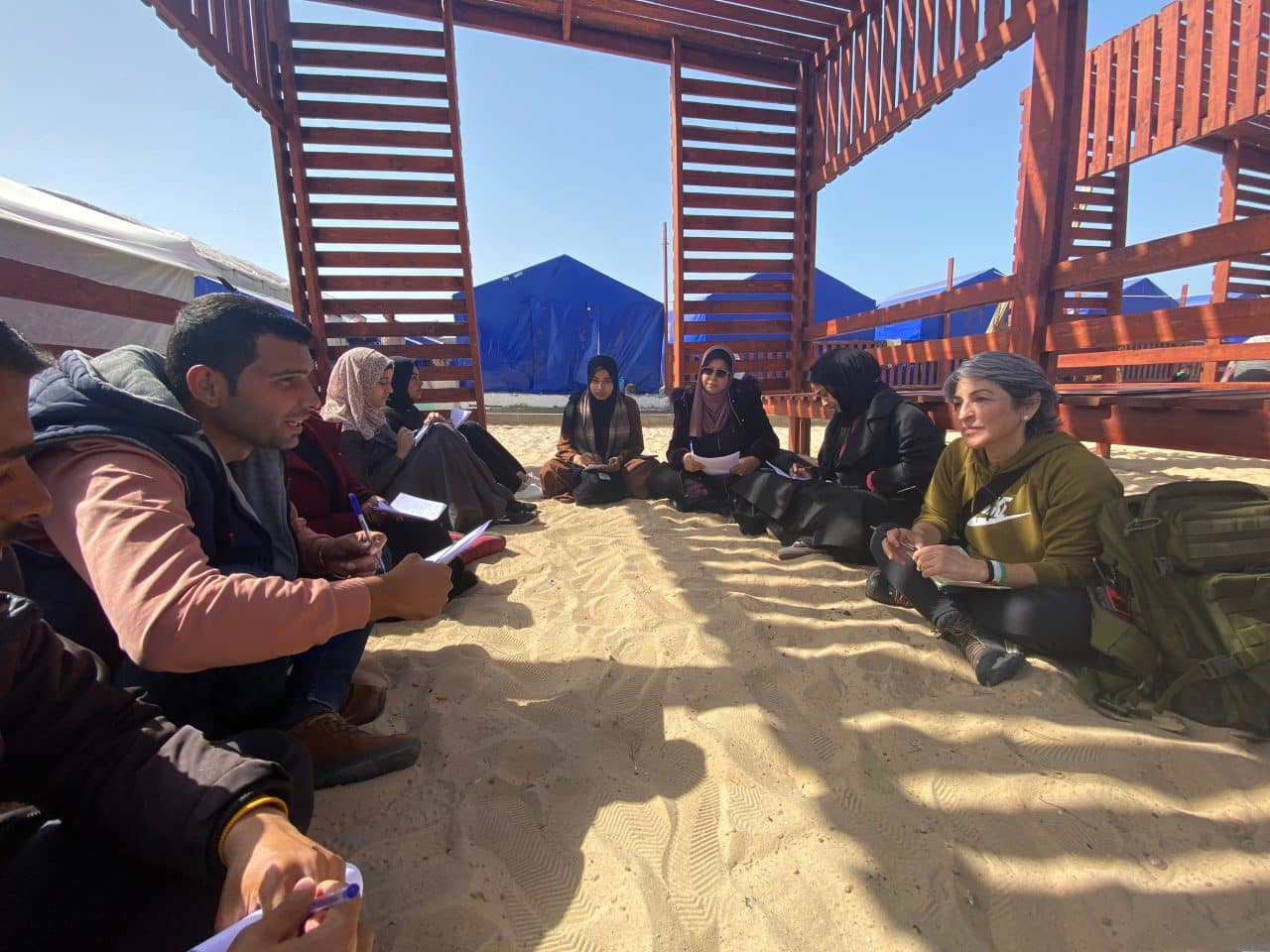
A powerful new book titled Every Moment Is a Life offers an inspiring glimpse into the resilience and creativity of young Palestinians in Gaza. Compiled from writing workshops led by esteemed author Susan Abulhawa, this collection features testimonies from 18 Palestinian writers and serves as a poignant reminder of the enduring human spirit in the face of adversity.
Voices from the Ashes
In a time of profound crisis, when daily life is marred by destruction and loss, these young authors risked everything to share their stories. Through Abulhawa’s workshops, participants learned not only the craft of writing but also the invaluable art of storytelling as a form of therapeutic expression. Each individual's journey reflects not only trauma but also hope, creativity, and the undeniable strength of the human spirit.
A Journey of Healing and Self-Expression
Abulhawa’s transformative experience in Gaza illuminated the needs and desires of these writers, who craved an outlet for their experiences. Despite facing the destruction of their homes and lives, these young people were determined to reclaim their narratives. The book showcases their ability to craft rich, sensory details, drawing readers into their world through unique and compelling stories.
Breaking Barriers Through Literature
Throughout the workshops, writers were encouraged to share their raw experiences, moving beyond mere recounting of events to explore the depths of their emotions. The final collection not only highlights their struggles and realities but serves as a crucial artifact that challenges dominant narratives about Gaza. Simon & Schuster, recognizing the book's significance, will publish a bilingual edition—a rare achievement that further amplifies these vital voices.
Inspiration Amidst Adversity
The power of these stories lies in their ability to resonate universally, inviting readers to witness the strength inherent in human existence. As Abulhawa notes, the act of sharing these narratives is not just about discussing pain but illustrating resilience and yielding hope for a brighter future.
This collection stands as a testament to the vitality of Palestinian culture and the necessity of preserving its narratives, reminding us all of the strength found in vulnerability. It is a call to recognize the humanity behind the headlines and to celebrate the courageous efforts of those who refuse to be silenced.

