Transforming Bird Feeding: A Positive Shift for Garden Wildlife
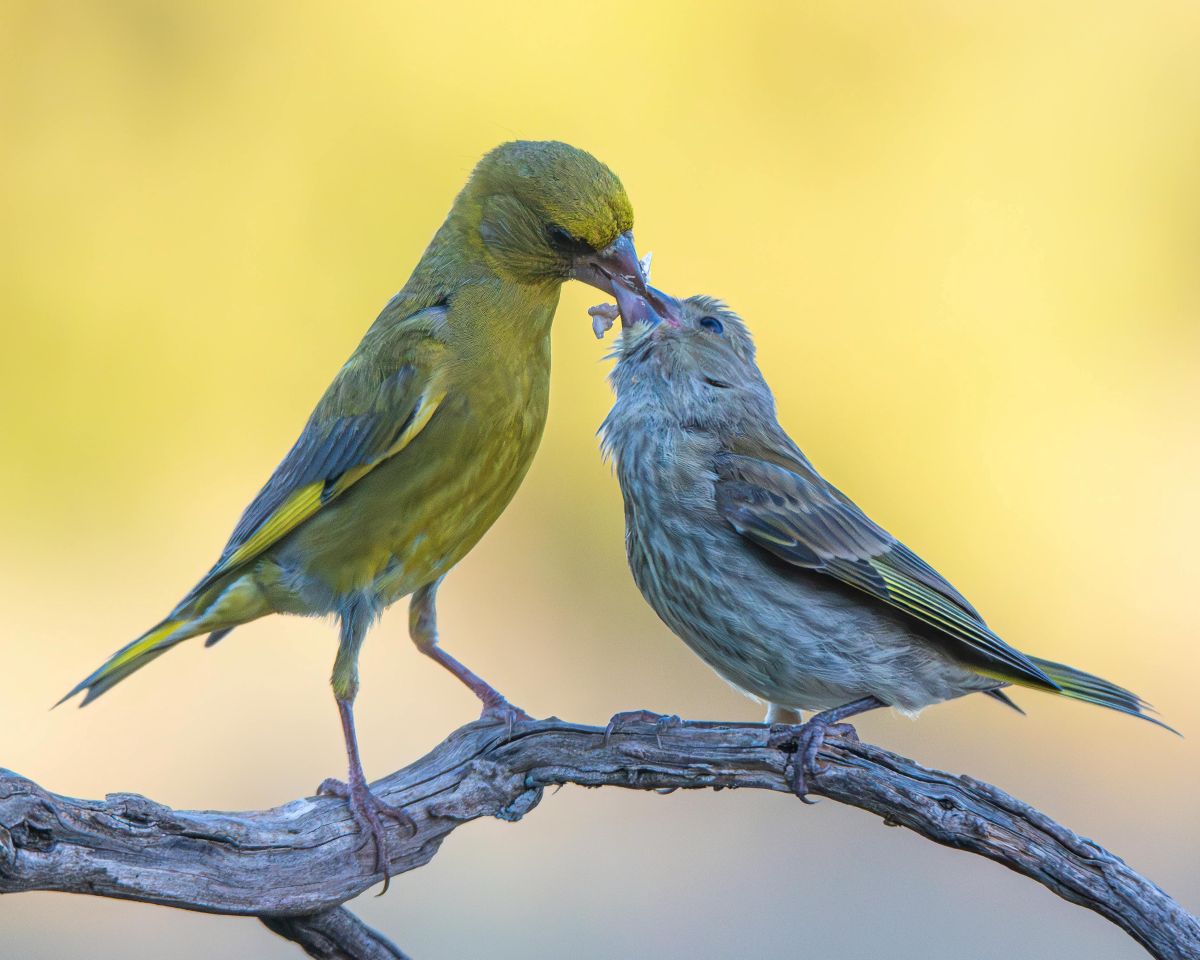
The recent Big Garden Birdwatch, involving over 650,000 citizen scientists across the UK, provided a platform to observe and understand the state of our feathery friends. With more than nine million birds counted from over 80 species, this initiative sheds light on the duality of good news and concerns about certain vulnerable species.
Effective Changes to Bird Feeding Practices
The RSPB has recognized the pressing need for new guidelines to ensure the health of birds while they are fed in our gardens. While feeding birds has immense benefits, especially in colder months, the risks associated with certain practices have led to an insightful reevaluation. We learn that small steps can make vast differences in supporting bird health. Research suggests that seasonal and hygienic adjustments to our bird feeding habits can help mitigate the risks of diseases such as trichomonosis, demonstrating the importance of responsible gardening.
Encouraging Natural Food Sources
Beyond human-provided feeders, there is a growing recognition of the power of natural habitats to nourish local bird populations. By incorporating bird-friendly plants and avoiding pesticides, gardeners can foster a healthier ecosystem. This more holistic approach not only supports birds but also enhances the biodiversity around our homes. Encouraging insect populations through bug hotels and diverse flora such as berry bushes and flowering plants will significantly improve the health of our garden wildlife.
A Collective Responsibility
RSPB’s chief executive, Beccy Speight, emphasizes that we need to adapt our practices rather than abandon them altogether. “By making small changes together, we can ensure garden feeding continues to be a positive force for nature.” This unified effort showcases how simple alterations in our gardening strategies can lead to profound impacts on the living world around us, ensuring a safer haven for Britain's birds.

