Transforming Garden Spaces: How to Protect Our Feathered Friends
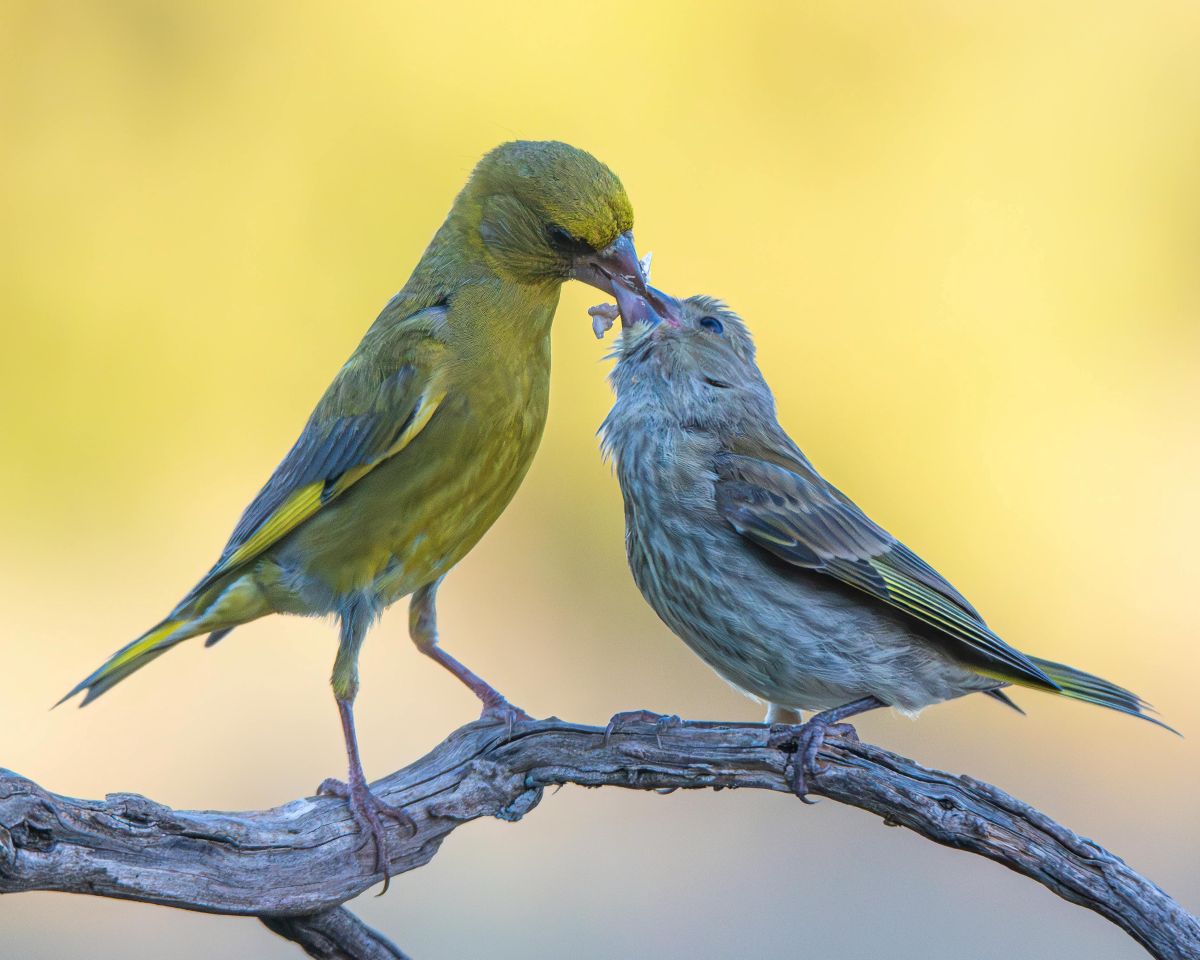
The recent findings from the Big Garden Birdwatch have shed light on the importance of adapting our feeding practices for garden birds. With over 650,000 participants counting more than nine million birds across the UK, the event has highlighted not only some concerning trends but also a proactive way forward for bird lovers.
Innovative Solutions for Bird Feeding
The RSPB has taken a fresh approach to bird feeding, emphasizing that while there are risks associated with sharing feeders, there are also incredibly beneficial strategies that can support the health of these birds. As many finch species face declining populations due to disease, the need for safe and sustainable feeding practices becomes paramount.
Encouraging Natural Habitats
One of the key takeaways from the expert guidance is the emphasis on creating wildlife-friendly gardens. Planting a variety of flowers, berry bushes, and fruit trees can naturally attract and nourish birds without the need for feeders. Additionally, installing bug hotels can provide a safe food source that supports their natural diet.
A Call to Action
RSPB’s chief executive, Beccy Speight, encourages citizens to continue feeding birds, but with a focus on protecting their long-term health through simple seasonal changes. By adopting conscientious gardening practices, enthusiasts can play a vital role in fostering a healthier bird population.
This initiative not only benefits birds but also enriches our own environments. As we adapt our practices and embrace the natural rhythms of the ecosystem, we can ensure that our gardens remain vibrant sanctuaries for wildlife.

