Transforming Lives: A Support Initiative for Parkinson's Patients in Wolverhampton
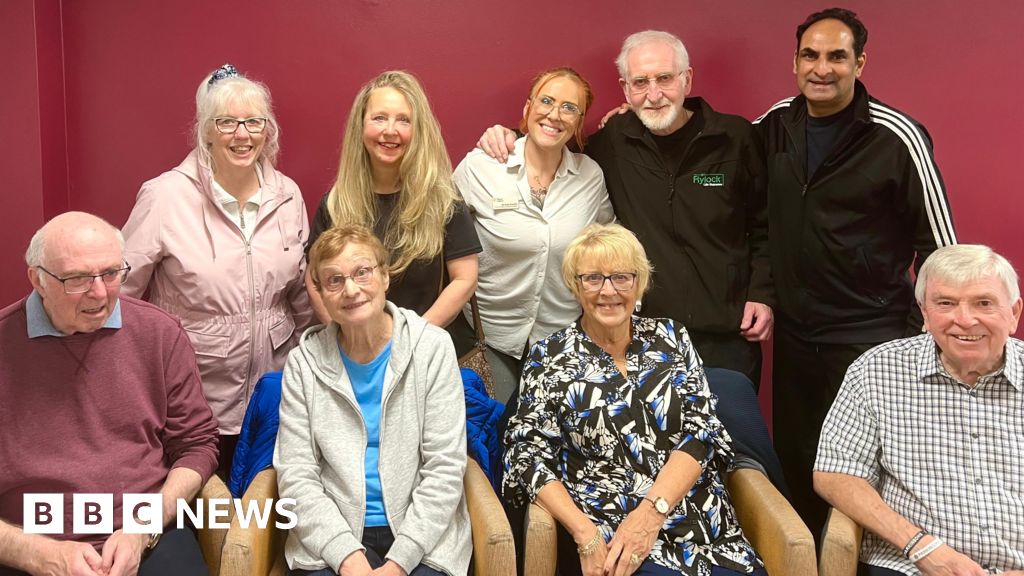
In Wolverhampton, a groundbreaking initiative is revitalizing the lives of individuals living with Parkinson's disease, providing them with a supportive community and an opportunity for exercise. This effort, centered around a new activity and support group, aims to tackle the feelings of isolation many experience due to their condition.
Empowerment through Movement
The "Move and Shout" programme, hosted at the Wolverhampton Swimming and Fitness Centre, is a testament to the positive impact of community support. Funded by Parkinson's UK, this programme not only encourages physical activity but also facilitates connections among participants. Attendee Ray Adams shared his positive experience, stating that it has significantly improved his speech and balance, something he had not encountered in 14 years of living with Parkinson's.
Building a Community
Michelle Ratcliffe, who leads the sessions, highlights the urgent need for initiatives like this in Wolverhampton, where many individuals with Parkinson's have felt invisible and unheard. With this group, participants are no longer isolated; they gather each week, finding solace and understanding among peers who share similar challenges.
Personal Growth and Confidence
Retired teacher Frank Breakwell, who has battled the disease for nine years, expressed the importance of this group. Not only has it provided him with practical support, but it has also nurtured his confidence, empowering him to face daily challenges. The personalized attention from the group leader has proven invaluable in helping members navigate their difficulties.
This initiative exemplifies how collective efforts can pave the way for a brighter outlook for those affected by Parkinson's disease. By fostering a spirit of camaraderie and support, the "Move and Shout" programme is making substantial strides in improving quality of life for its participants. As awareness grows, hopes increase that similar programs will emerge, creating inclusive environments for all living with this condition.

