Transforming the Twin Cities Light-Rail: A Positive Turnaround
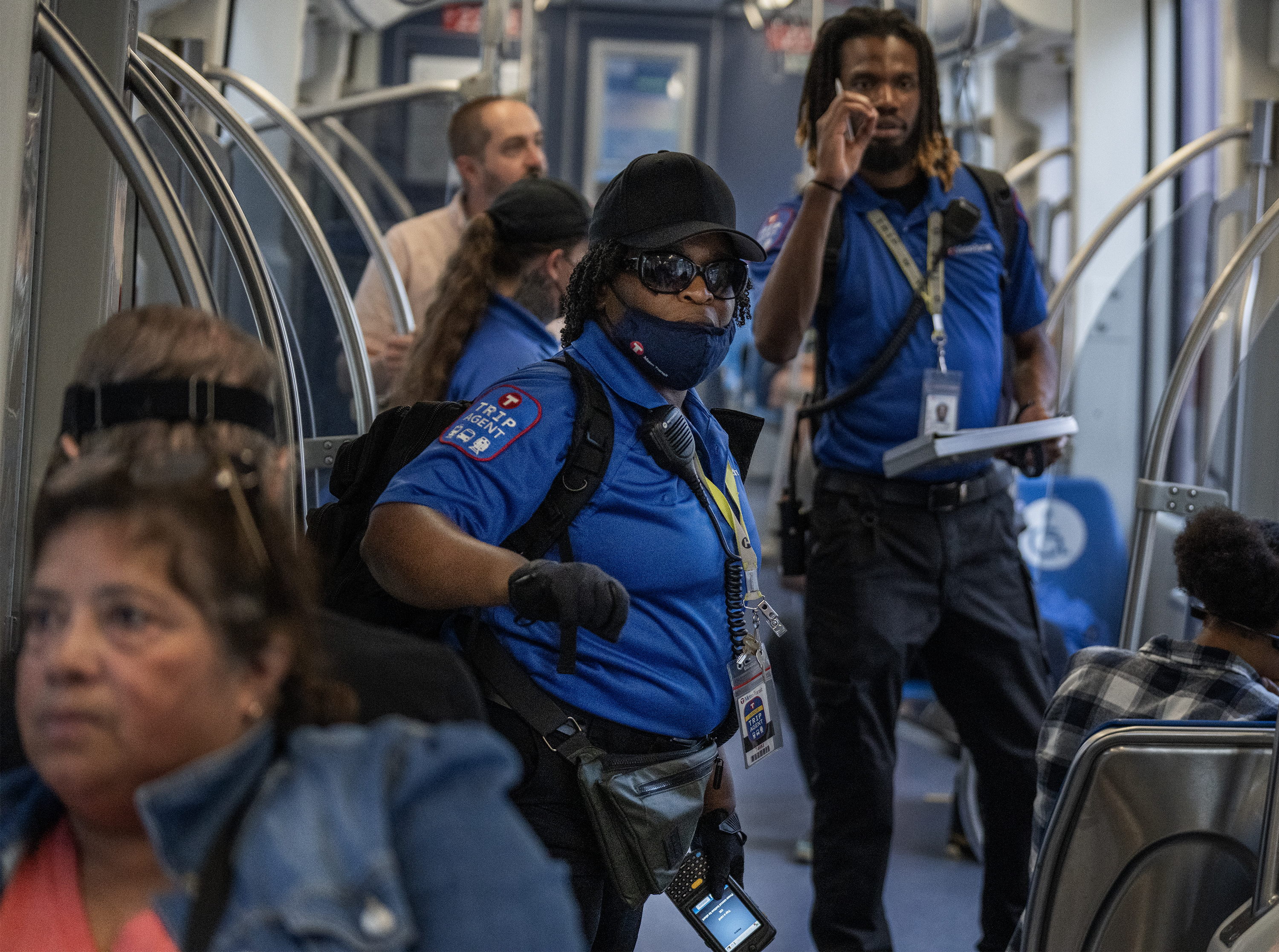
The Twin Cities light-rail system has been experiencing a notable shift towards improved safety and ridership conditions. In recent years, the system faced numerous challenges, including bad passenger behavior and a declining sense of security among riders. However, thanks to significant investments by Metro Transit, there is a bright ray of hope emerging from these trials.
Increased Safety Measures
Metro Transit has made a concerted effort to enhance the overall safety of the light-rail experience. The introduction of the Transit Rider Investment Program (TRIP) has resulted in a remarkable increase in the presence of officials overseeing rides. With the number of TRIP agents ballooning to about 140 in just two years, and plans to increase this number to 215 by the end of the current year, passengers can feel more secure during their commutes.
Rising Perception of Safety
As a testament to the improvements, the share of riders reporting a sense of safety on trains has risen by approximately 8% for two consecutive years, now standing at 49%. While the goal of full reinstatement of rider confidence is not yet achieved, this upward trend indicates that the measures taken are beginning to take root and bear fruit.
Investments in Security and Maintenance
The enhancement of security measures has not been a coincidence. The Minnesota Legislature approved a 0.75% metrowide sales tax for transit, facilitating these expansions and improvements. This funding has not only bolstered the presence of security personnel but has also allowed for the doubling of maintenance and repair staff, enhancing the transit infrastructure overall.
A Community Approach
The commitment to creating a safer environment isn't limited to security presence alone. Metro Transit is also working on initiatives like a homeless action team and plans to incorporate mental health crisis services, reflecting a comprehensive approach to improving public transit. This shift acknowledges the nuanced challenges that urban public transportation faces and aims at addressing them holistically.
The recap of these developments showcases an encouraging narrative amidst ongoing concerns about urban environments. With bipartisan support for enhanced funding and targeted interventions, the Twin Cities are strategically positioned to turn around the negative perceptions that have plagued their transit systems. As more attention is paid to rider safety, the hope is that former riders will return, revitalizing the light-rail system and the communities it serves.

