Uncovering the Rich History: Discoveries Along the Silk Road
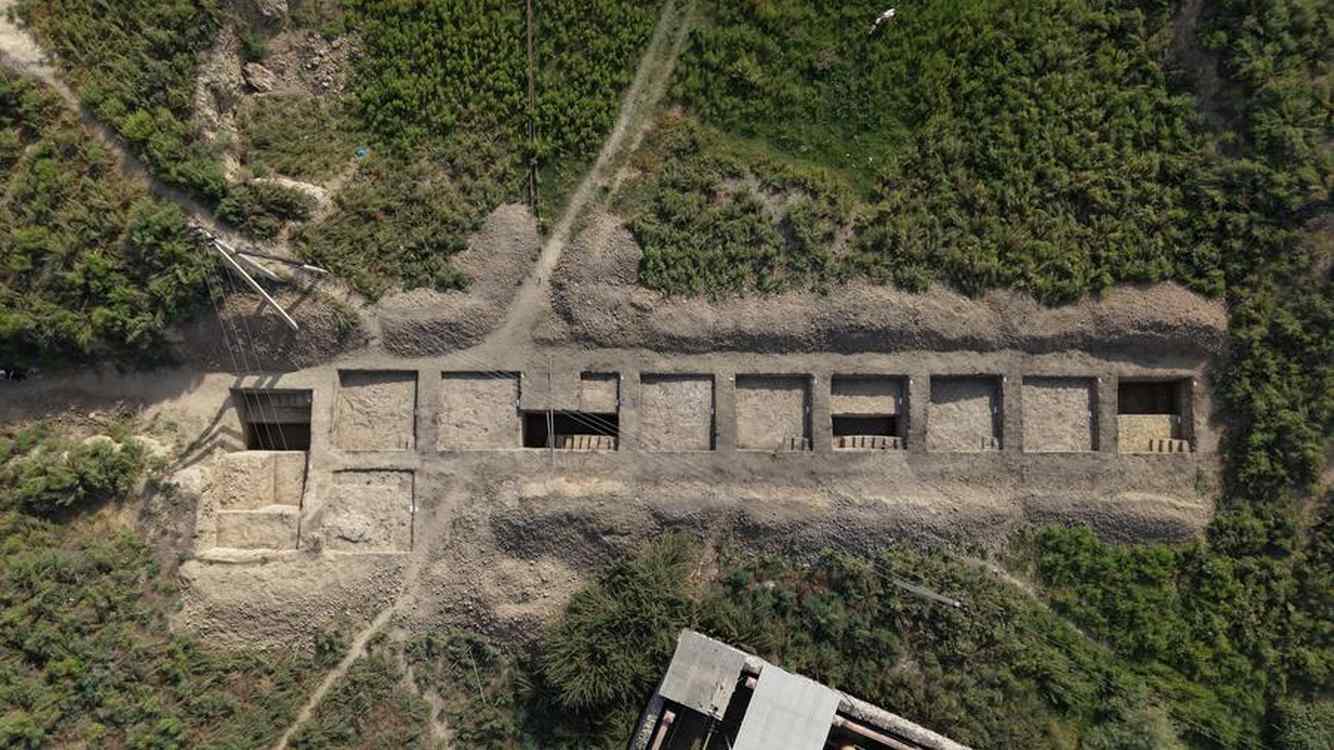
A remarkable archaeological expedition has brought to light the walls of an ancient Silk Road city, highlighting the enduring significance of Kuva in the Fergana Valley of Uzbekistan. After two years of diligent excavation, the team from China’s Luoyang Archaeological Institute and Uzbekistan's Fergana State University has unveiled the foundational remnants of palaces, city gates, and workshops that tell the rich story of this settlement's vibrant past.
The Importance of Kuva
Believed to have been inhabited between the 3rd century BCE and the 10th century CE, Kuva was a pivotal point on the Silk Road—a trade network that connected East and West. As the site transitioned through various ruling empires, from the Achaemenid Persians to the Macedonians and beyond, it played an essential role in facilitating trade and cultural exchanges. Recent discoveries, including standing walls that have been reconstructed over time, offer new insights into the architectural styles and historical timelines of these civilizations.
Insights from the Excavation
The head of the expedition, Mr. Liu Bin, indicated that the findings can provide significant details regarding the construction of the city walls. This data is crucial for establishing timelines of control among the different empires that ruled Kuva. Notably, the contributions of the Han Dynasty, particularly in securing trade routes with the nomadic Xiongnu, underline the strategic importance of this city in facilitating the exchange of vital resources such as the sought-after "Heavenly Horses."
Looking to the Future
The excavation work is set to continue, with plans for systematic studies of the palace areas to gain a deeper understanding of the city's layout and functional spaces. These ongoing archaeological efforts promise to enrich our knowledge of Kuva and reinforce its status as a key player in the history of the Silk Road. The hope of further discoveries shines brightly, as each finding not only adds to our historical comprehension but also connects us to the captivating past of human endeavor and trade.

