Uncovering the Secrets of the Silk Road: Archaeological Discoveries in Uzbekistan
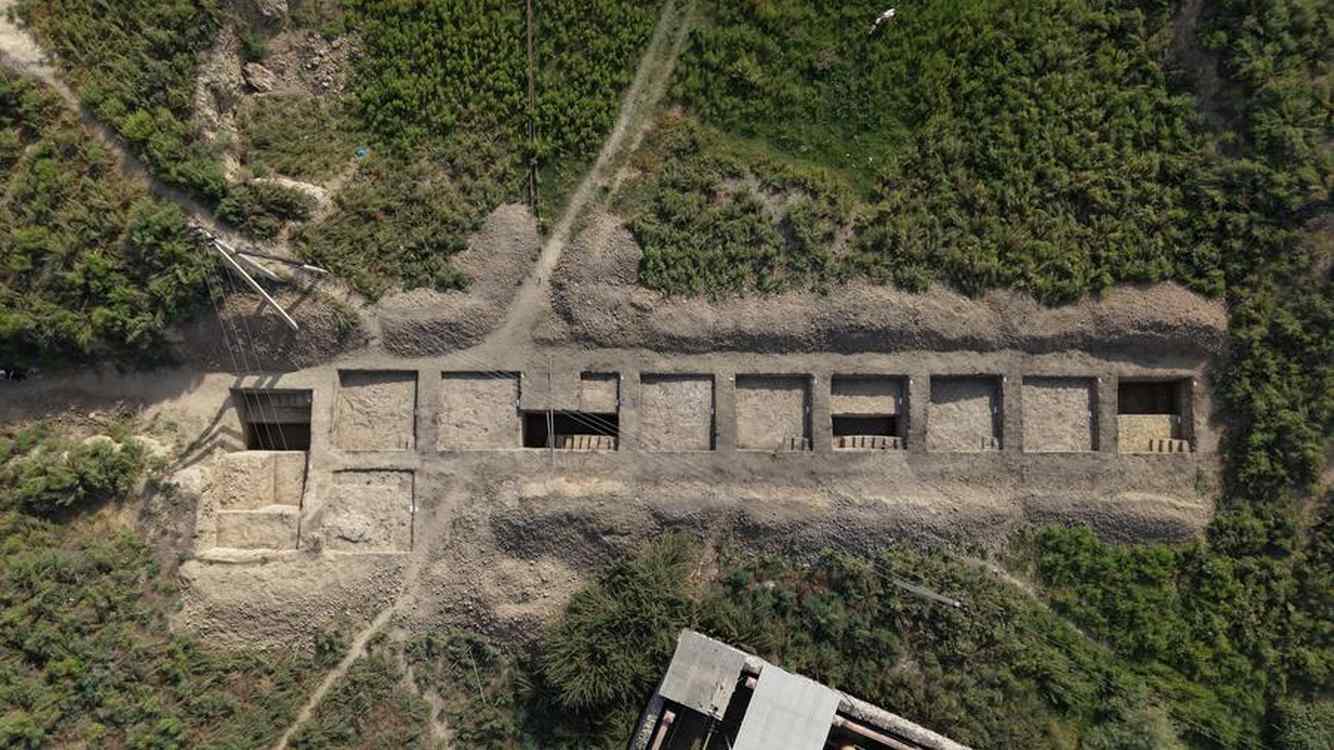
A remarkable collaboration between China and Uzbekistan has led to significant archaeological findings in the Fergana Valley, shedding light on the historic Silk Road city of Kuva. This joint mission, which has been underway for two years, has unveiled the remnants of palaces, city gates, and craft workshops, offering insights into a settlement that was vital to ancient trade routes.
Rediscovering Kuva’s Historical Significance
The excavation team, comprising experts from China’s Luoyang Archaeological Institute and Fergana State University, has made considerable progress within a 110,000 square meter area believed to be the heart of this once-bustling city. Their latest discovery, a section of standing walls, not only confirms previous assumptions about the city's architectural evolution but also hints at the cultural exchanges that took place here over the centuries.
Insights into Architectural Styles and Historical Control
Mr. Liu Bin, the head of the Chinese expedition, highlighted the importance of studying the construction techniques of the city walls. Such investigations can provide key insights into the various civilizations that controlled Kuva throughout its history, from the Achaemenid Persians to the Persian dynasty that succeeded them.
A Hub of Trade and Cultural Exchange
Kuva's strategic location along the Silk Road made it a crucial node for trade between East and West. The findings at this site not only reveal the architectural advancements of the past but also underscore the city’s role in the exchange of goods like silk, jade, and even horses. Historical records suggest that the famed 'Heavenly Horses' of the Fergana Valley were a pivotal advantage for the Han Dynasty, illustrating how Kuva facilitated significant trade that influenced military strategies and cultural exchanges.
Looking Ahead: Future Excavations and Discoveries
As the excavation team prepares for further systematic research next year, there is a palpable sense of excitement about what additional discoveries may surface. The promise of gaining a more complete understanding of the layout and functional zoning of Kuva's palaces offers a thrilling glimpse into a vibrant past that shaped the region's history.
In conclusion, Kuva stands as a testament to the rich tapestry of cultural interactions along the Silk Road, and ongoing archaeological efforts continue to piece together its storied past. These discoveries not only enhance our understanding of ancient civilizations but also affirm the importance of preserving historical sites that hold invaluable lessons for the present and future.

