Unlocking a Greener Future: The UK's Bold Steps Towards Clean Energy
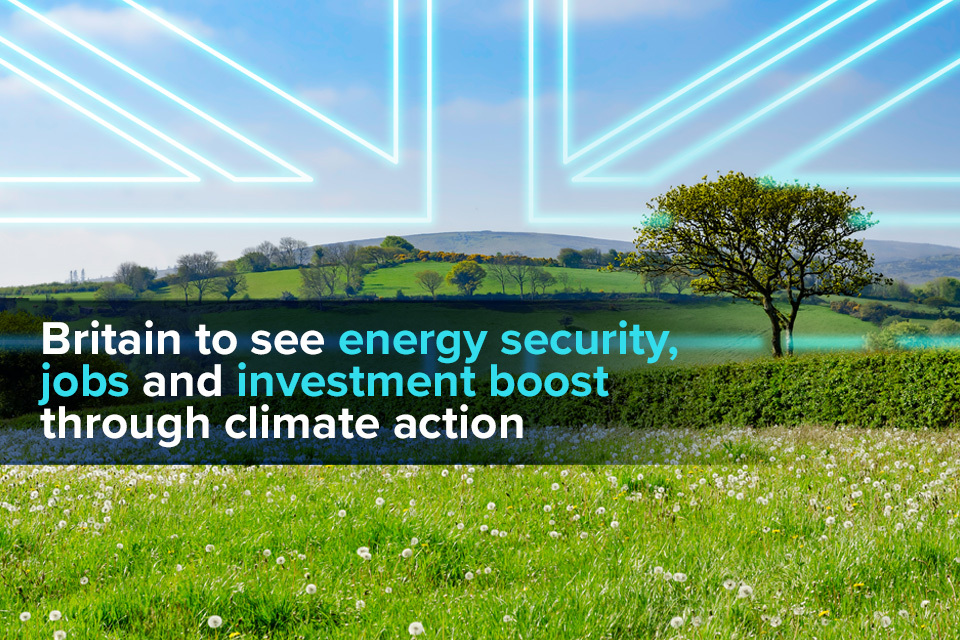
The UK government has made significant strides towards a sustainable future, setting ambitious targets aimed at achieving an 87% reduction in greenhouse gas emissions by 2042. This initiative promises to not only safeguard family finances amidst volatile fossil fuel prices but also stimulate job creation and economic growth in the clean energy sector.
The Transformative Clean Energy Transition
As families and businesses brace for the implications of ongoing international conflicts on energy prices, the UK government is committed to shifting away from fossil fuel dependency. The new emissions target is part of a broader strategy to solidify Britain's position as a leader in clean energy and to create over one million jobs by 2025 through a burgeoning net zero economy. According to recent analyses, this sector is set to add a remarkable £105 billion to the UK's economy.
Building on a Legacy of Climate Leadership
The new Carbon Budget proposal builds upon the UK's pioneering Climate Change Act of 2008, which laid the groundwork for integrating economic growth with environmental sustainability. British businesses, backed by scientists and civil society, are rallying around this framework, which has already attracted billions in investment for clean energy projects, including significant advancements in carbon capture technology and nuclear energy.
A Clear Path to Energy Security and Job Creation
Energy Secretary Ed Miliband underscored the critical need for clean homegrown power, stating that strengthening energy independence through local renewable sources will be key to shielding households and businesses from the shocks of global energy markets. With over half of the UK's electricity now sourced from low-carbon entities, the strategy not only promises cleaner air but also positions the country to capitalize on the global transition to renewable energy.
Community Impact and Future Prospects
The implications of this ambitious clean energy agenda are significant for local communities. It is expected to lead to lower energy bills, enhanced energy reliability, and the creation of green jobs across various sectors, including solar and offshore wind. As expressed by local leaders, the focus must remain on ensuring that economic benefits reach every community, securing a prosperous future for citizens nationwide.
In conclusion, the UK's commitment to an ambitious and structured approach towards a clean energy economy not only demonstrates responsible governance but also instills hope for future generations. With plans in motion, the government is poised to pave the way for a cleaner, greener Britain, reinforcing the notion that economic growth and environmental stewardship can go hand in hand.

