Unlocking Armenia's Ancient Mysteries: A Breakthrough in Archaeological Study
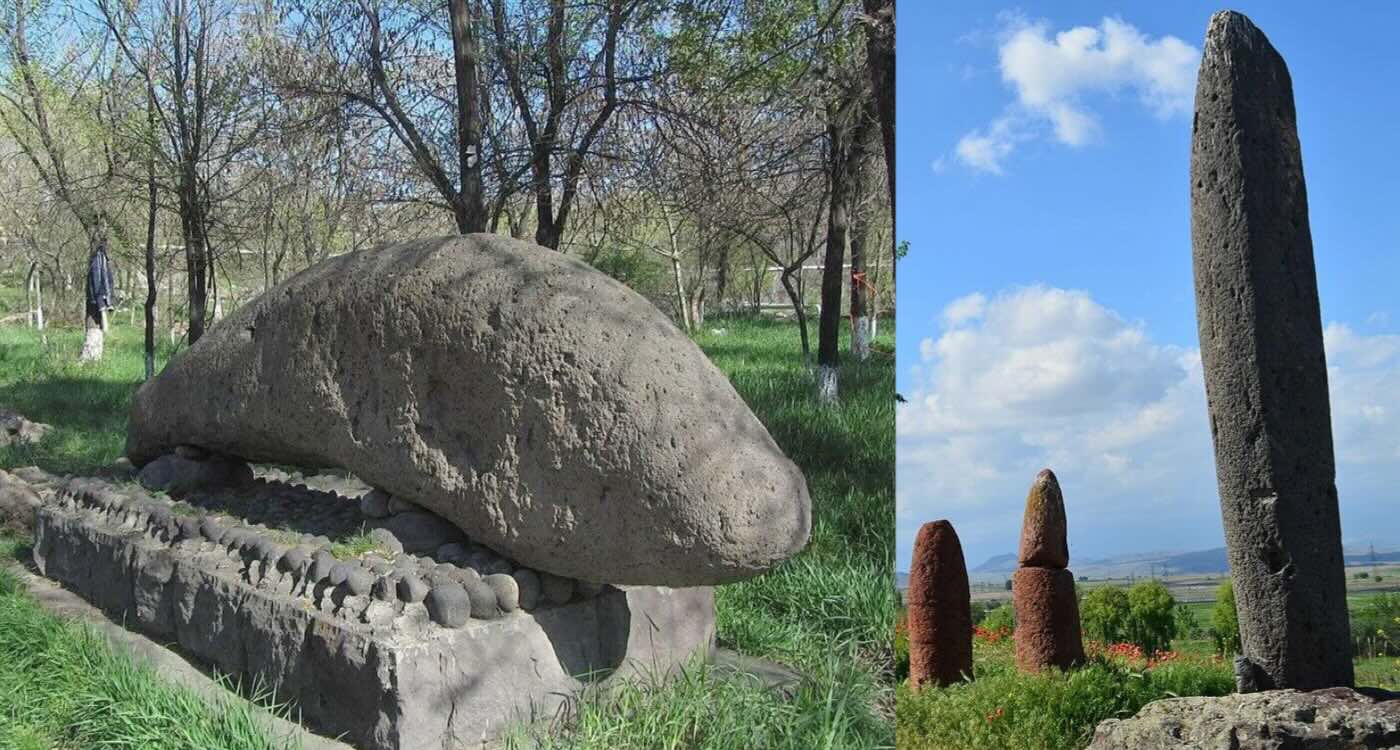
For the first time in history, a comprehensive analysis of Armenia's enigmatic "dragon stones" has revealed fascinating insights into these large Neolithic monuments, shedding light on their purpose and significance in ancient society. These imposing stones, known as vishaps, date back to between 4200 and 4000 BCE and were erected contemporaneously with the megaliths of Stonehenge.
New Discoveries and Ancient Cultures
The vishaps, weighing between 3 and 8 tons, are adorned with carvings depicting fish and cowhides, and their distribution across Armenia's mountains has long puzzled researchers. A recent study conducted by the Yerevan State University Institute of Archaeology and Ethnography has provided clarity, revealing that these monumental structures were likely tied to an ancient water cult, predominantly located near springs.
Labor and Significance of the Vshaps
The sheer effort required to position these stones at high altitudes—where conditions are harsh—speaks volumes about their importance. The research found no correlation between the size of these megaliths and their altitude, suggesting that the vishap builders prioritized spiritual beliefs over practicality. This insight posits that the stones served as cultural and spiritual symbols, representing the community's identity and beliefs.
Legacy and Influence
Moreover, the study highlights the lasting impact of the vishap builders on subsequent civilizations. Future cultures, such as the Urartians, who coexisted with the Babylonians and Assyrians, and early Christian communities, left their own marks on these stones, further entwining their history with this ancient monument.
The research not only enhances our understanding of Armenia's historical landscape but also emphasizes the spirit of cooperation and teamwork that characterized the societies of that era. As archaeologists continue to unravel the mysteries of the past, such discoveries remind us of the enduring complexity and richness of human history.

