Unveiling Hope: Remarkable Success Stories from Around the Globe
This week, several uplifting stories highlight efforts in conservation, public health, and education, showcasing humanity's resilience and dedication to positive change.
A Giant's Return to the Galapagos
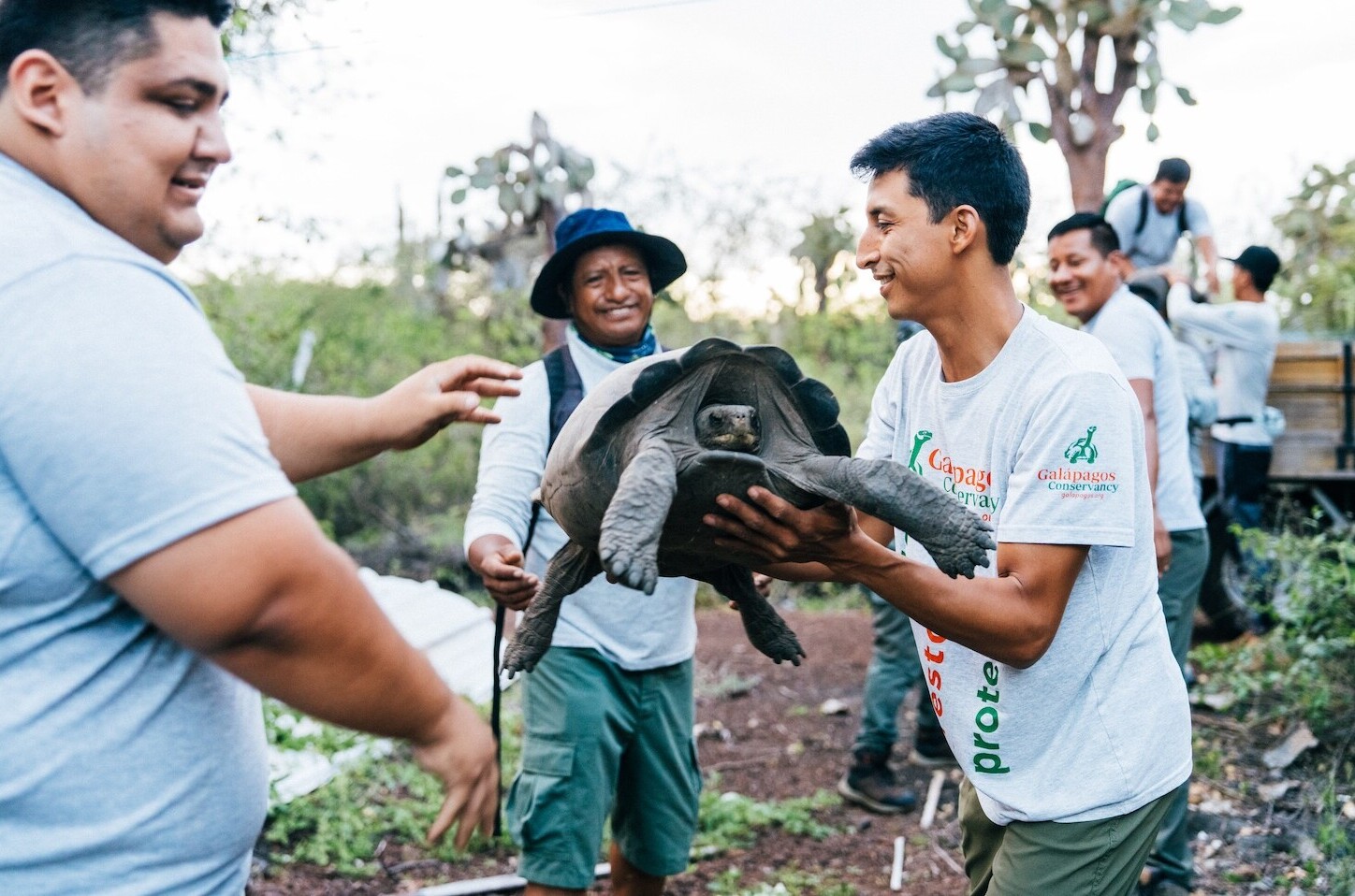
In a historic conservation breakthrough, giant tortoises have made a triumphant return to the Galapagos island of Floreana after nearly 200 years of extinction. Intensive conservation efforts led by the Charles Darwin Foundation have successfully reintroduced 158 giant tortoises, which were bred from hybrids with Floreana ancestry. This initiative not only revives a lost species but also plays a crucial role in restoring the island's ecosystem.
According to Rakan Zahawi, the executive director of the foundation, these tortoises contribute to environmental health by dispersing seeds and shaping vegetation, which is vital for the regeneration of many species.
Wales Takes a Stand Against Homelessness
In a significant legislative move, Wales has passed a groundbreaking Homelessness and Social Housing Allocation Bill aimed at providing timely support to individuals at risk of losing their homes. With homelessness rates soaring in recent years, this law mandates early intervention and increased cooperation among public bodies to prevent homelessness.
Matt Downie, chief executive of the homelessness charity Crisis, emphasized the transformative potential of this bill, stating, "This is truly a landmark day in Wales.” This initiative could provide relief to thousands facing the instability of homelessness.
India's Commitment to Menstrual Hygiene
In a monumental decision, India's Supreme Court has ruled that access to menstrual hygiene products is a fundamental right for girls, mandating schools to provide free sanitary pads. This ruling aims to mitigate absenteeism among adolescent girls who often miss school due to a lack of menstrual products.
The court's ruling reflects a growing awareness of the barriers affecting girls' education, especially among disadvantaged communities. The commitment allows access to necessary resources, promoting health and educational equity.
Libya Triumphs Over Trachoma
In a remarkable public health achievement, Libya has been validated by the World Health Organization as the 28th country to eliminate trachoma, a disease causing blindness. Despite facing significant political and humanitarian challenges, Libya's health workers maintained their efforts against this infectious disease through improved sanitation and healthcare interventions.
This success demonstrates the resilience of health systems and the importance of persistent public health initiatives even amidst adversity.
China's Yangtze River Fish Stocks on the Rise
After years of decline due to overfishing, fish stocks in China’s Yangtze River are showing promising signs of recovery. A recent study points to a 100% increase in fish biomass since the government imposed a ten-year ban on commercial fishing. This ban is crucial for restoring biodiversity to one of the world’s most significant waterways. While challenges such as pollution remain, this recovery is a testament to successful environmental policy and commitment to conservation.
Pioneering Renewable Energy in the UK
The UK has marked a significant step towards sustainable energy by launching its first geothermal power plant in Cornwall. This facility will provide low-carbon electricity to around 10,000 homes, alongside serving as a domestic supply source for lithium, essential for technology development. The project symbolizes the UK's commitment to green energy, showcasing the potential of geothermal resources as a sustainable energy source.
These diverse stories collectively highlight the extraordinary strides being made across various sectors. From ecological recovery efforts to significant public health advancements, they serve as a reminder of the positive changes that can emerge through collective action and determination.

