Unveiling the Future: Google's Exciting New Googlebooks Revolutionize Computing
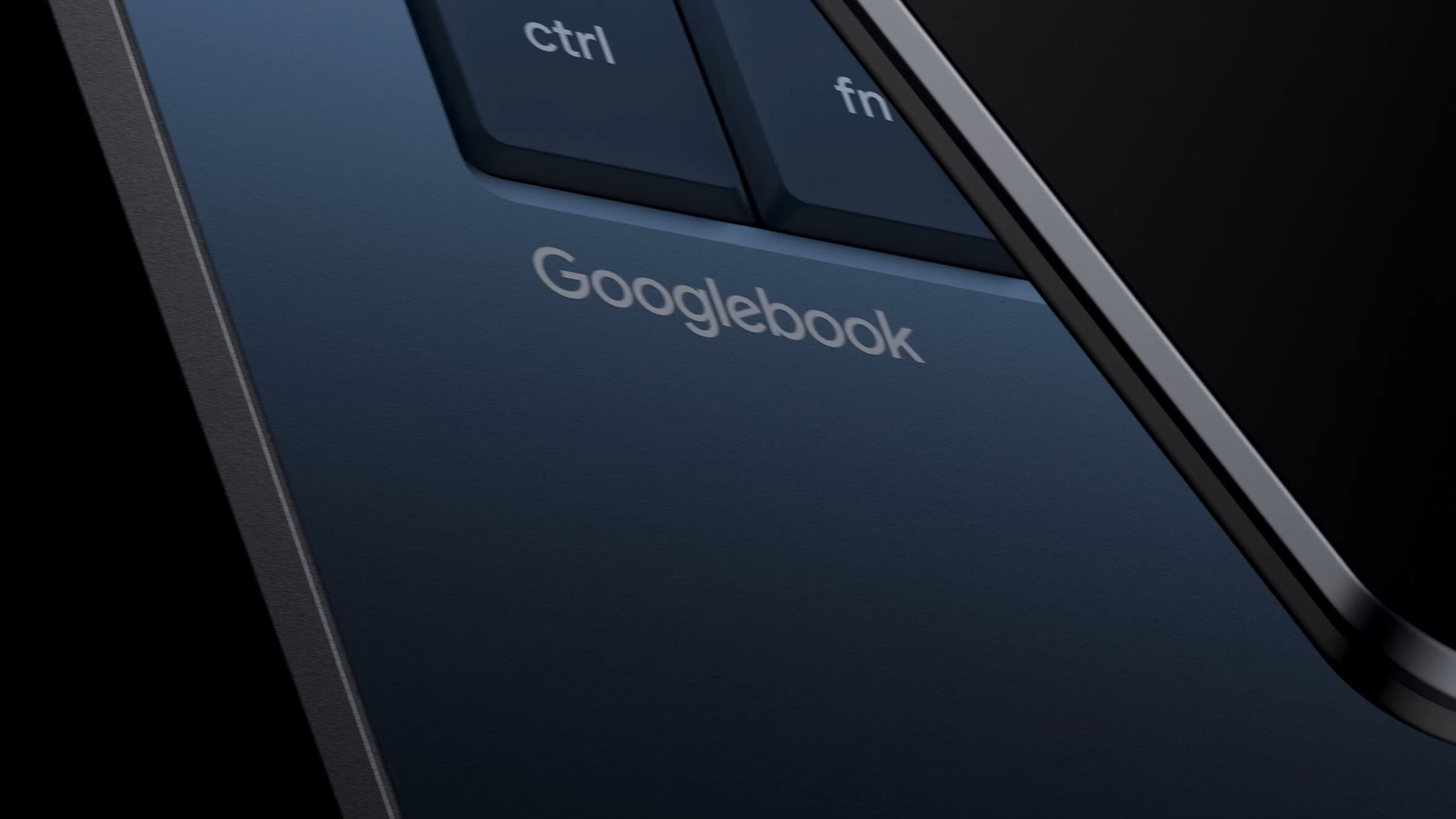
In a significant announcement, Google has introduced its latest innovation, the Googlebooks, a new category of laptops powered by Android. This development could bring a fresh wave of versatility and efficiency to both consumers and the tech industry.
A Familiar Yet Enhanced Approach
During an interview with Chrome Unboxed, Google executive John Maletis provided insights into the technical specifications and advantages of this new product line. Notably, Googlebooks are set to support processors from leading manufacturers such as Intel, MediaTek, and Qualcomm. This compatibility aligns with Chrome OS, which is known for its support of both x86 and Arm architectures, ensuring a versatile range of options for users.
Empowering Users with Native Android Apps
One of the most promising features of Googlebooks is their ability to run native Android applications, offering users an impressive performance boost. Maletis emphasized that “we now have an ability to run truly native Android applications, not emulated,” highlighting the leap in capabilities for developers and users alike. This enhancement could redefine how applications are experienced on laptops, providing users with smoother interactions and enhanced functionality.
Building on Chrome OS Foundation
Furthermore, the integration of core Chrome OS features hints at a familiar environment for existing Chrome users. Features such as virtual desks, screen recording, and multi-paste options are expected to be available on the new platform, although users may need to wait for some functionalities to roll out fully.
The introduction of Googlebooks not only signals Google’s commitment to innovation but also reflects a growing trend towards multifunctional devices in the tech landscape. As technology continues to evolve, such advancements are expected to enhance user experience and operational efficiency.

