Unveiling the Mysteries: Armenia's Dragon Stones Shed Light on Ancient Cultures
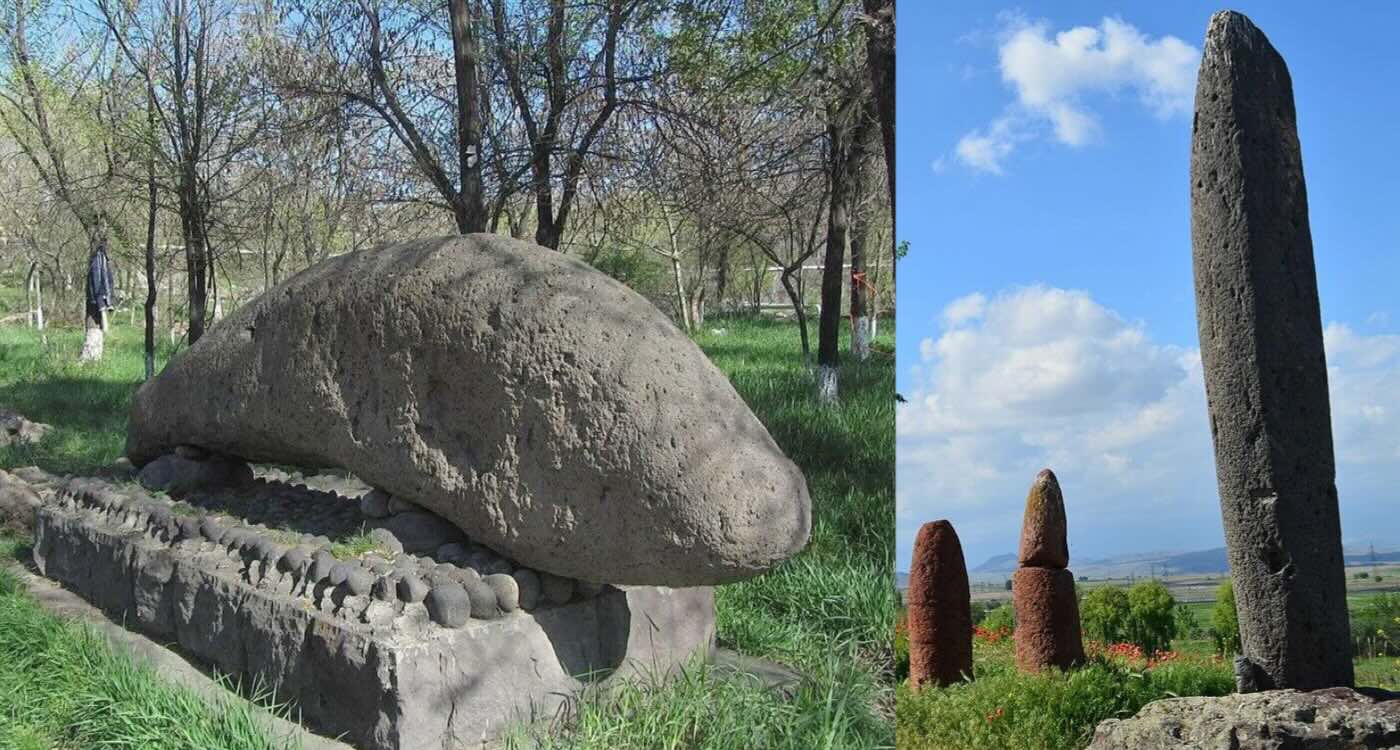
In a groundbreaking revelation for archaeology, a thorough examination of Armenia’s enigmatic “dragon stones”—known as vishaps—has been conducted for the first time in history. This extensive analysis aims to uncover the purpose and significance of these ancient Neolithic monuments, which date back to between 4200 and 4000 BCE, coinciding closely with the era of the megaliths of Stonehenge.
The Enigmatic Vishaps
These remarkable stones, some weighing between 3 and 8 tons, feature intricate carvings, predominantly of fish and animal imagery, and are scattered across the highlands of Armenia. The research, led by the Yerevan State University Institute of Archaeology and Ethnography, has made strides toward understanding these ancient constructions, despite encountering challenges along the way.
Insights from Mountain Heights
The study revealed surprising findings about the vishaps' distribution and size, challenging previous assumptions about their construction and significance. Many larger stones were found at high elevations, which would typically demand substantial effort and resources to transport and erect. This has led the research team to hypothesize that these stones may be connected to an ancient water cult, given their proximity to natural springs.
A Legacy of Cooperation and Culture
The effort behind erecting these monuments reflects the cultural and spiritual values of the ancient Armenian people. The vishaps appear not only as markers of territory but as embodiments of a community's identity and cooperative spirit. Such monumental efforts resonate with a broader human narrative, showcasing the lengths to which societies will go to express their beliefs and connect with their landscapes.
Connections to Future Civilizations
Interestingly, the vishap sites continued to hold significance for subsequent civilizations, including the Urartians and early Christian communities. These groups left their marks on the stones, further enriching the cultural tapestry of the region and underscoring the importance of these monuments throughout history.
As research continues and more is understood about Armenia’s dragon stones, we gain not only insights into ancient practices but also a deeper appreciation for the ways these monuments have linked past and present communities. Such discoveries reaffirm the timeless essence of human endeavor and belief, echoing through the ages.

