Unveiling the Past: Archaeological Triumphs on the Silk Road
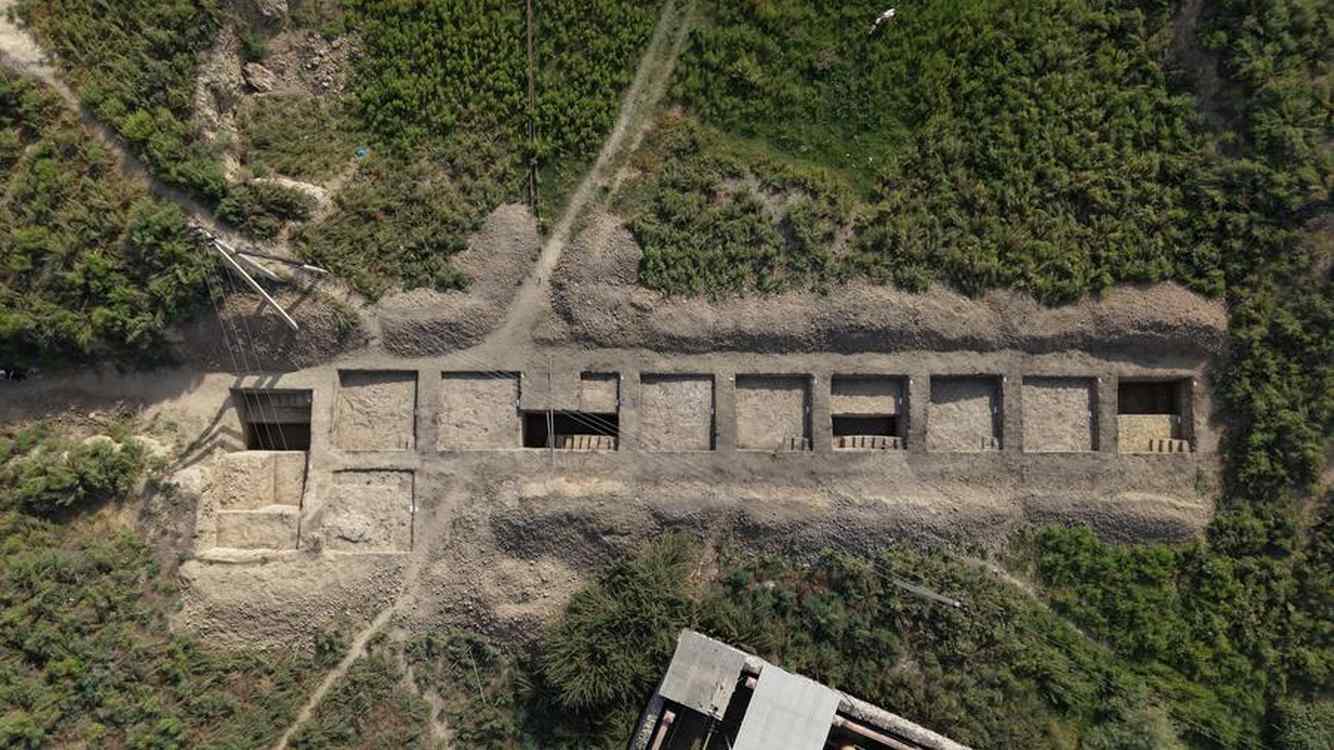
A groundbreaking archaeological mission conducted by teams from China and Uzbekistan has uncovered significant discoveries from the ancient Silk Road city of Kuva. After two years of diligent excavations, the joint team revealed the foundations of palaces, city gates, and residential buildings, showcasing the historical importance of this settlement located in the Fergana Valley.
Reconstructing History
Located not far from the Chinese border, Kuva is believed to have been a pivotal stop on the Silk Road, flourishing between the 3rd century BCE and the 10th century CE. The recent findings, including standing walls and architectural remnants, provide profound insights into the city’s vibrant past. Mr. Liu Bin, the head of the Chinese expedition, emphasized the importance of understanding how these walls were constructed, which will allow researchers to create a timeline of the diverse civilizations that once controlled Kuva.
The Silk Road Connection
The Fergana Valley, where Kuva lies, played a crucial role in Chinese history, particularly during the Han Dynasty. The valley was the source of the legendary 'Heavenly Horses,' essential to the Han army in their battles against the Xiongnu tribes. These horses, traded for silk and jade, enhanced the military's effectiveness, highlighting how trade along this ancient route was vital to not just commerce, but also to geopolitical stability.
Future Discoveries on the Horizon
Excavations at Kuva are set to continue, with plans for systematic digs aimed at exploring the palace territories further. Such efforts promise to yield even more remarkable findings, enhancing our understanding of the complex social and economic interactions that characterized this renowned Silk Road hub. The ongoing work shines a light on the importance of archaeological research in unraveling the rich tapestry of our shared human history.

