Unveiling the Power of ADHD: Inspiring Stories from the World of Sports
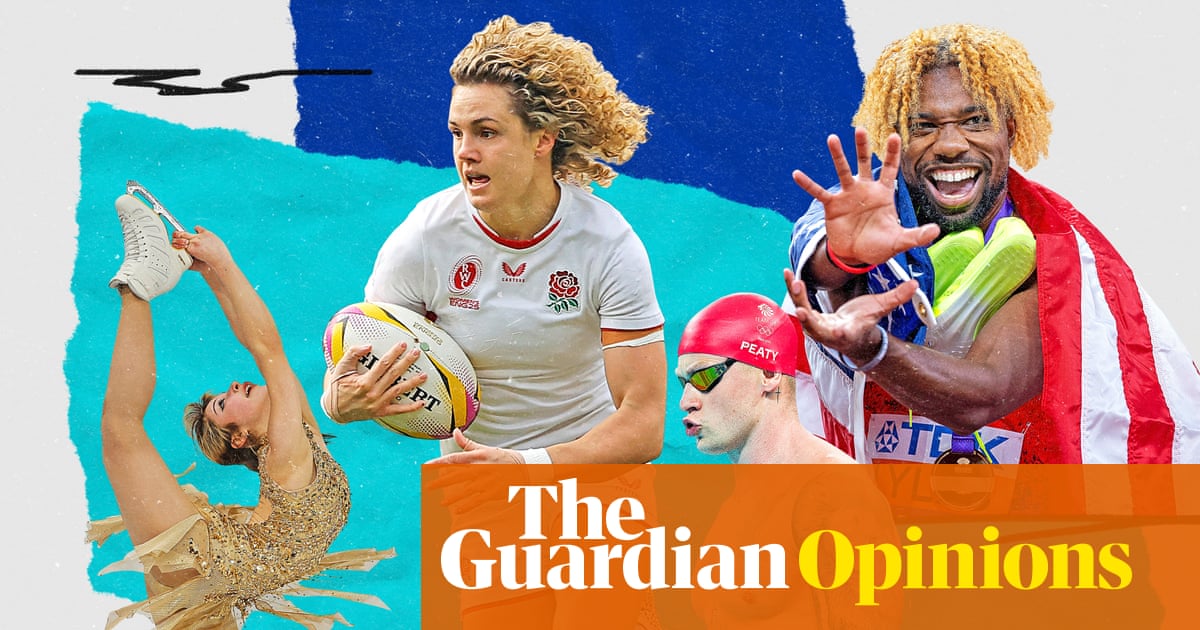
In recent years, the conversation surrounding neurodiversity and its impact on athletes has gained momentum, shedding light on the unique strengths and challenges faced by those with attention deficit hyperactivity disorder (ADHD). Notable sports figures are stepping forward to share their journeys, transforming personal struggles into powerful narratives of resilience and inspiration.
The Triumph of Adam Ramsay-Peaty
One of the most remarkable stories comes from Adam Ramsay-Peaty, a three-time Olympic champion who has publicly acknowledged the role ADHD plays in his life. At the recent British Swimming Championships, he made an exceptional comeback, winning the 100m breaststroke with one of the best times globally this year. Following this, he also clinched the 50m title, marking a significant step towards the upcoming LA Olympics. His journey emphasizes the idea that adversity can fuel achievement, as he faced mental health challenges earlier this year yet found his way back to the pool stronger than ever.
Empowering Voices of Ellie Kildunne
Ellie Kildunne, another athlete who has bravely shared her ADHD journey, recently published her book, "Game Changer." After England's Six Nations victory over Ireland, Kildunne opened up about her experiences, discussing how her diagnosis has fostered a deeper understanding of herself. She celebrated the chaos inherent in ADHD and acknowledged the importance of addressing both the strengths and vulnerabilities associated with the condition. Her willingness to confront the eating disorder linked to her struggles during the COVID-19 pandemic highlights the multifaceted nature of living with ADHD.
The Wider Implications for Neurodivergent Athletes
Experts like Kirsty Brown echo the sentiment that while ADHD can bestow certain advantages, the journey is often not easy. With many elite athletes recognizing ADHD as a "superpower" due to the hyperfocus it can provide, there remains a significant conversation to be had about the support systems necessary for neurodivergent individuals in sports. As Brown notes, understanding and accommodating these athletes could lead to healthier and more inclusive sporting environments, addressing both their unique talents and the challenges they face.
As more athletes share their experiences, we begin to see a shift in how ADHD is perceived in the world of sports. The mainstream narrative is evolving, encouraging not only celebration of successes but also acknowledgment of mental health struggles. This dual understanding could pave the way for more tailored support for those aiming to excel, regardless of their neurological differences.

