Why a Single Medal at the Winter Paralympics is Just the Beginning for Team GB
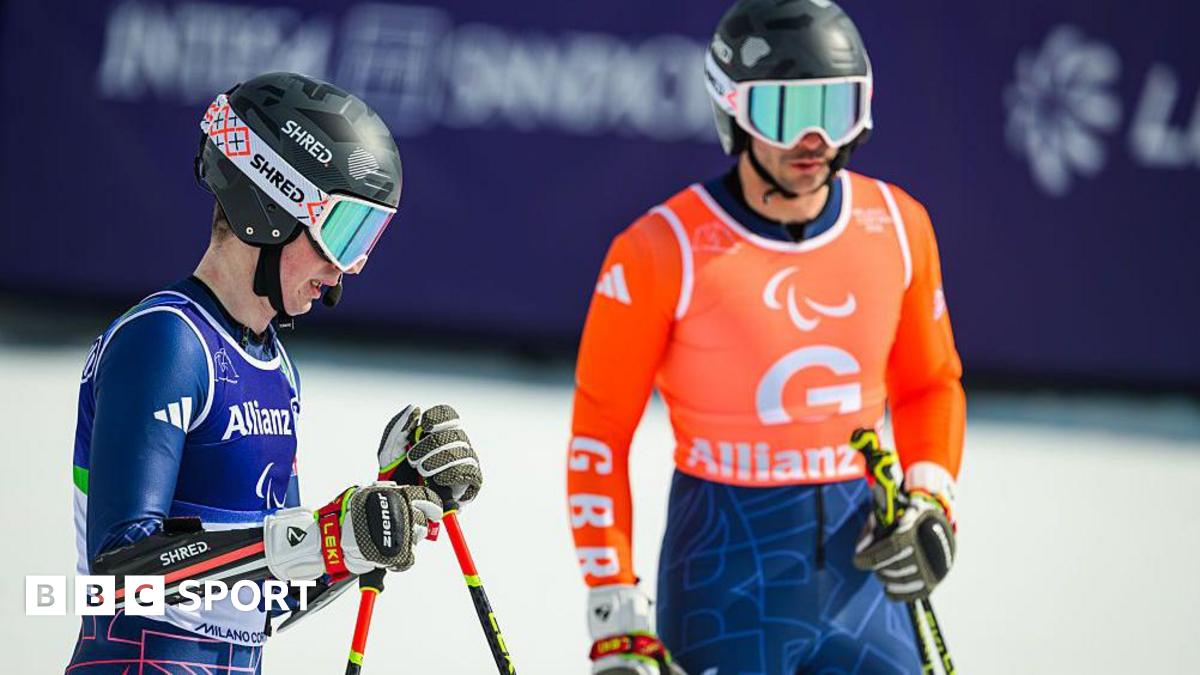
Despite a challenging Winter Paralympic Games resulting in Great Britain's only medal being a silver won by Neil Simpson and his guide Rob Poth, there is a deep well of positivity surrounding the team's future prospects. The event has highlighted not just the challenges faced by the athletes, but their resilience and the potential for growth in the coming years.
Resilience in the Face of Adversity
Commenting on the team's performance, Dr. Kate Baker, UK Sport's director of performance, expressed her admiration for the athletes' journeys. She stated, "I think it's impossible for us to be disappointed in any of these athletes," emphasizing that their determination to reach the Paralympics is a significant achievement in itself. The Games may have come too soon for some, but this only positions them for future success.
Developing Future Stars
Among the undercurrents of disappointment lies the excitement for the next generation of athletes. The inclusion of young athletes like 16-year-old Dom Allen, 18-year-old Hester Poole, and 19-year-old Sam Cozens showcases a burgeoning talent pool ready to represent Great Britain. UK Sport director Baker mentioned the invaluable experience these young competitors gained, which will serve them well as they prepare for the 2030 Games.
Encouraging Breakout Performances
While the medal tally may not reflect it, the Games provided a platform for breakout performances amongst the team. For instance, Nina Sparks became Great Britain’s first female snowboarder at the Paralympics, marking a significant milestone for gender representation in the sport. The mixed doubles curling duo of Jason Kean and Jo Butterfield also showed promise, narrowly missing out on the semi-finals. Such experiences lay a foundation for momentum into the next cycle.
Looking Ahead: Strategic Improvements
As UK Sport outlines strategies for the next funding cycle, it’s clear that the focus will not solely hinge on medal counts but also on developing the athletes' potential and improving their performance in high-stakes environments. Baker noted, "It's important so they can come out here knowing they don't have to worry about funding while they are trying to compete," indicating a commitment to supporting the athletes' growth.
In conclusion, while the Winter Paralympics have posed their challenges for Team GB, they also represent a critical turning point. The experiences gained, the potential within the ranks, and the ongoing support from UK Sport provide a hopeful outlook for the future. The foundation laid during these games is not just about medals, but about fostering athletes who will rise to greatness in the competitive landscape of the next four years.

