Why Great Britain’s Performance at the Winter Paralympics Should Inspire Hope for the Future
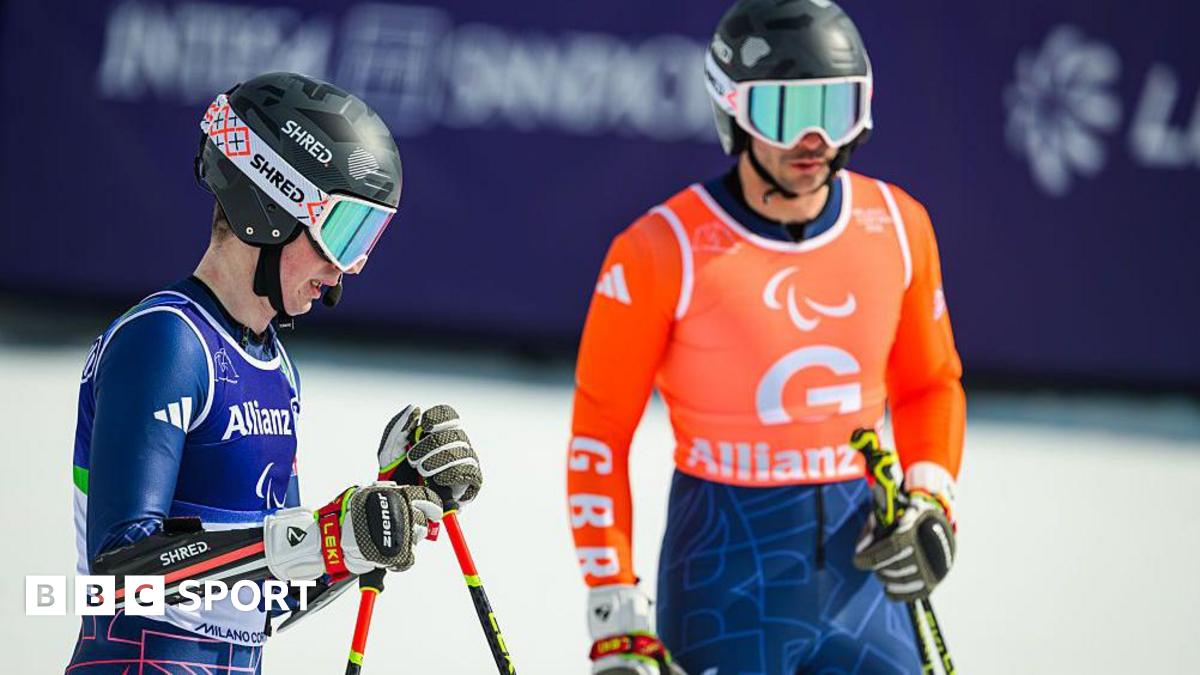
Despite only securing a single silver medal at the Winter Paralympics, Great Britain's performance unveils significant potential for the future of para-sports in the nation. Neil Simpson and his guide, Rob Poth, triumphed with a commendable silver in the visually impaired alpine combined event, signaling a step forward for athletes navigating challenges, both on and off the slopes.
Resilience and Determination Highlighted
UK Sport director of performance, Dr. Kate Baker, articulated a perspective worth celebrating: the sheer determination and resilience demonstrated by the athletes throughout their arduous journey to the Games. "It is impossible for us to be disappointed in any of these athletes," Baker remarked, indicative of the effort required just to compete at such a high level. This spirit of resilience reflects the heart of the Paralympic movement, embodying the perseverance that defines these sportsmen and women.
Emerging Talent and Future Prospects
The Games have also welcomed a wave of young talent. Athletes like Dom Allen, Hester Poole, and Sam Cozens are now armed with invaluable experience, setting the groundwork for what is to come. As noted by ParalympicsGB chef de mission, Phil Smith, the focus is on the long-term potential rather than immediate medal wins. The observation that this was a learning experience rather than a mere competition signifies a pragmatic approach to sports development in the UK.
Breaking New Ground
Several historic milestones emerged from this year's Games, such as Nina Sparks becoming Great Britain's first female snowboarder at the Paralympics. This progressive shift not only diversifies the team but also potentially paves the way for greater representation and future success in winter sports. The inclusion of English athletes in curling—typically dominated by Scottish competitors—highlights the evolving landscape of British para-sports, encouraging inclusivity and broader participation.
Looking Ahead with Optimism
While the medal tally may not reflect the team’s efforts, the overarching sentiment is one of hope and anticipation for the next four years leading to the 2030 Games. Funding discussions have already commenced, emphasizing a strategic focus on nurturing talent while acknowledging the inherent unpredictability of winter sports. Dr. Baker summed it up succinctly: "We can capitalize on the potential in the team." With experience gained and lessons learned, the groundwork is laid for a promising future.
Ultimately, the Winter Paralympics may result in fewer medals, but the spirit of the athletes and the enthusiasm for what lies ahead is more meaningful. The journey continues, and for Great Britain’s paralympic hopefuls, the horizon is bright.

