Why Multifamily Dwellings Are Leading the Housing Market Surge in 2025
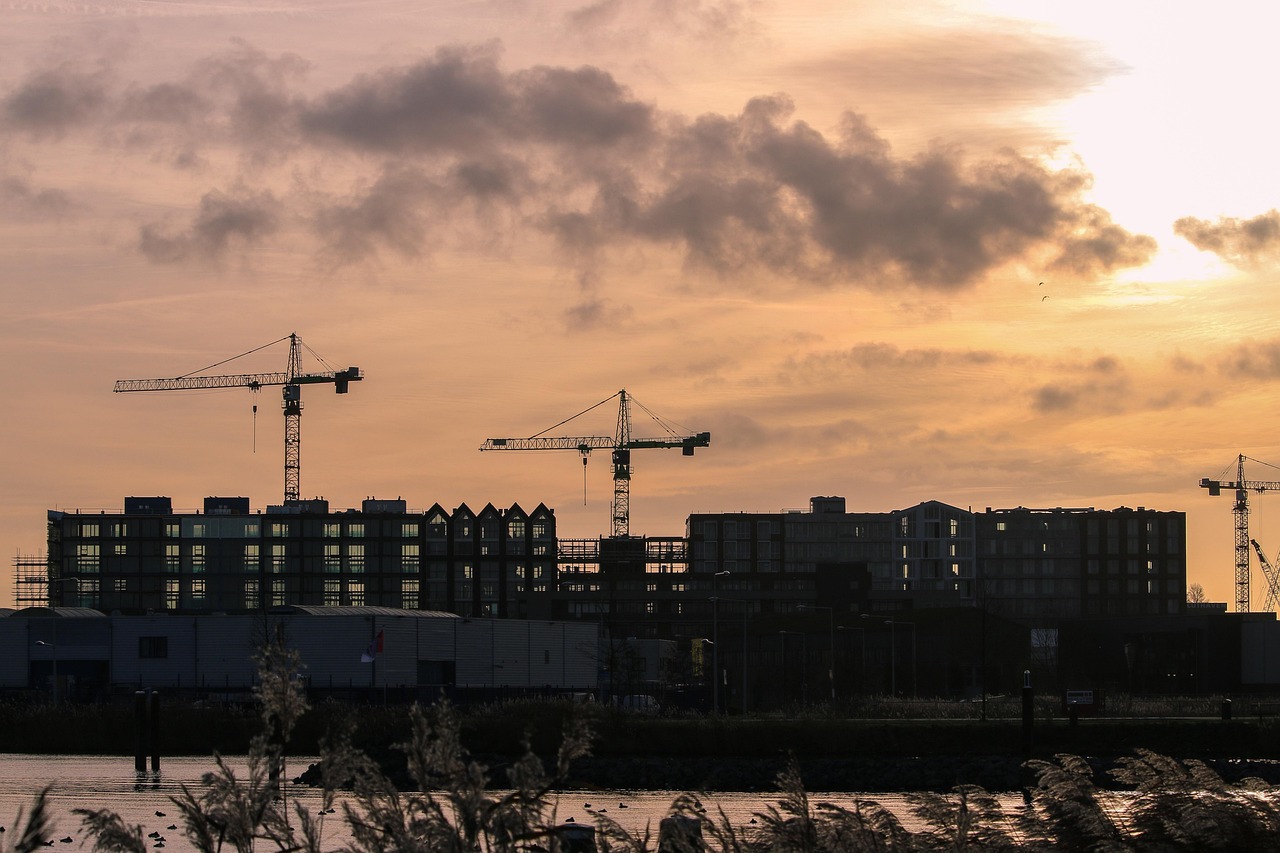
Despite challenges in the home-building industry, 2025 witnessed an unexpected boost in the construction of multifamily dwelling units (MDUs). This increase signals a shift in market dynamics and could potentially reshape communities across the nation.
Strong Growth in Multifamily Units
The construction of MDUs, which are the most cost-effective living spaces for broadband providers, rose nearly 10 percent from 2024 to 2025, illustrating a clear trend towards more efficient housing solutions. This growth is noteworthy given that the overall construction of single-family homes experienced a substantial decline, falling from a three-year high of 1 million units in 2024 to only 876,000 in 2025.
MDUs as a Sustainable Housing Solution
As urban living becomes increasingly popular, the rise of multifamily units is not only a response to current housing shortages but also an indication of sustainable development practices. Construction data reveals that over 38 percent of all dwelling units completed in 2025 were large MDUs, suggesting a fundamental shift in how housing is being organized to meet modern needs.
The Economic Implications
While many conventional single-family homes fell out of favor, the MDU surge aligns with economic trends favoring rental options. Nearly all new MDU constructions are designed as rental apartments, reflecting a broader movement towards flexible living arrangements. This trend bodes well for housing developers and service providers who are finding it more economical and efficient to invest in MDUs.
In conclusion, the impressive rise of multifamily dwellings amidst declining single-family home construction presents a unique opportunity for future housing markets. As cities adapt to changing demographics and living preferences, MDUs stand out as a viable, sustainable, and economically smart choice. The housing landscape is evolving, and with it comes the potential for more accessible living options for a broad spectrum of communities.

