Will Thomas Massie's Grit Redefine Republican Loyalty?
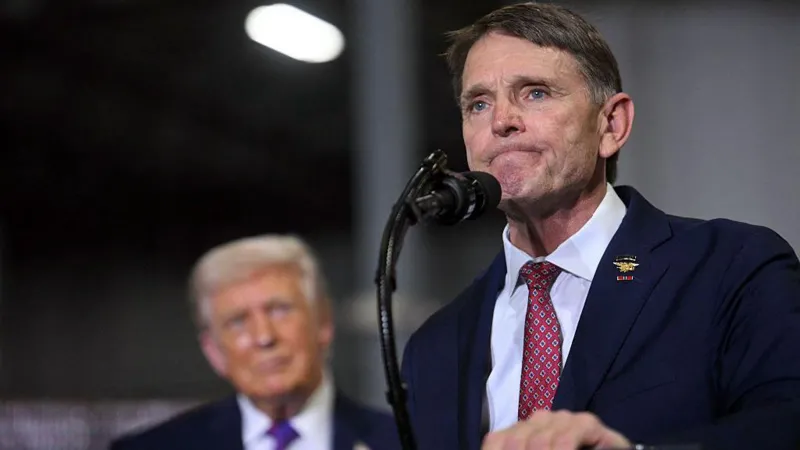
In the realm of American politics, few narratives are as compelling as that of congressman Thomas Massie, who has recently garnered attention for his steadfast independence amidst significant party pressures. His actions suggest a growing movement within the Republican ranks, where a willingness to prioritize principles over party loyalty may be seen as an emerging trend.
Breaking the Mold
Massie's political journey has been anything but conventional. Recently, he has faced intense scrutiny and backlash for his unyielding stance on various issues, including his opposition to Trump’s policies and spending initiatives that he believes betray Republican principles. While many politicians might yield to pressure, Massie's commitment to his beliefs stands out as a beacon of hope for constituents who appreciate integrity in leadership.
A Signal of Change?
As Massie navigates the contentious waters of political affiliation, his supporters view his unwavering commitment to his principles as an embodiment of what they seek in representation. Said Rex Morgan, a supporter, "He’s one of the most consistent congressmen… even if it were to cost him his job, he will not go back on his word." This feedback highlights a potential shift in voter expectations, as constituents appear to value authenticity and resistance to partisanship over blind allegiance.
Engaging New Audiences
The recent campaign around Massie has attracted diverse audiences who resonate with his maverick approach. His events feature a unique blend of supporters, from libertarians to those who have historically broken ranks with the Republican leadership. This eclectic coalition exemplifies a growing desire among voters for representation that reflects their complex views on issues rather than strict party lines.
Lessons for Future Leaders
As the primary voting day approaches, observers speculate about the implications of Massie's efforts. If he succeeds, it could signal a significant paradigm shift in how future leaders engage with the complexities of party affiliation and voter expectations. The importance of integrity might become more pronounced as constituents increasingly seek representatives who prioritize ethical governance over opportunistic politics.
As for the future of the Republican Party, Massie’s journey could pave the way for an evolving landscape, where embracing diversity in thought could be celebrated rather than ridiculed. Achieving this balance will be crucial for the party's long-term success and relevance in a rapidly changing political environment.

